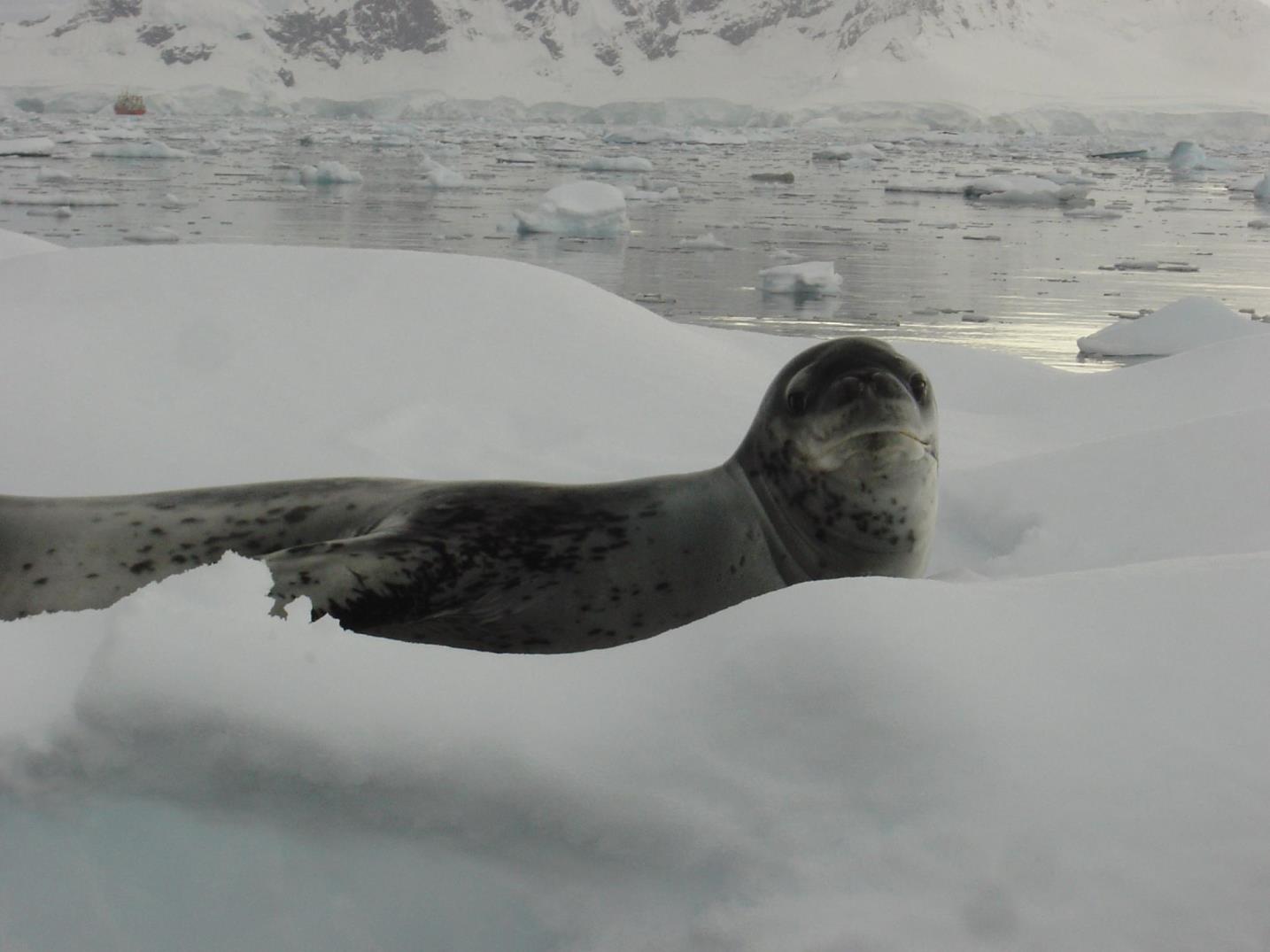
Drones: Making Field Work Easier, One Leopard Seal At A Time
Featured Image Credit: NOAA AERD
By Jessica Kittel
It seems like every Tom, Dick, and Harry (and of course Tina, Diane, and Helen) have a drone these days. Drone popularity has continuously risen as drones have become more and more compact and affordable.
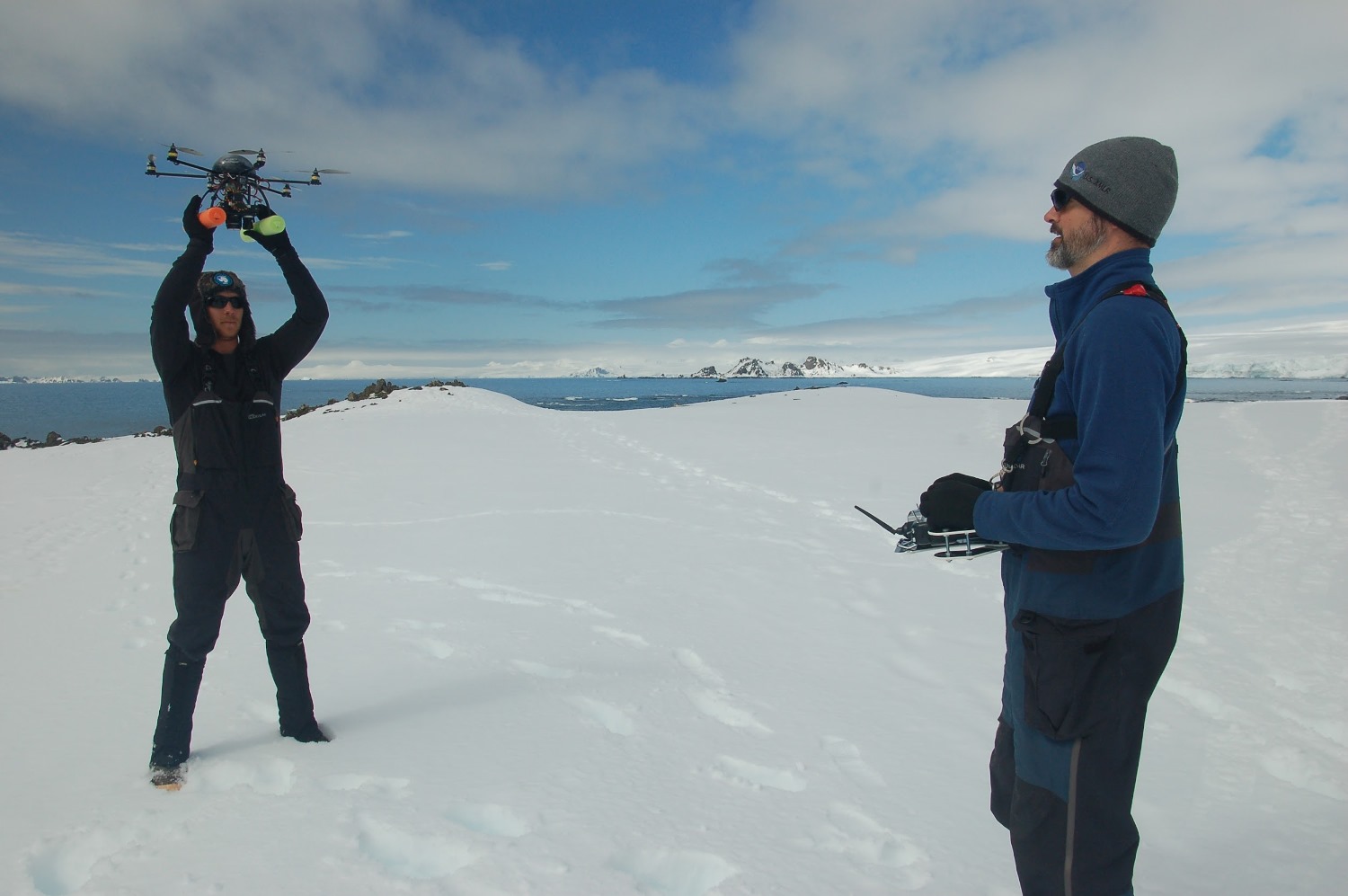
Image Credit: NOAA AERD
Scientists aren’t ones to be left behind in the technology race. As reported on news.monabay.com, researchers working in Antarctica have found new a creative ways to utilize drones for research on leopard seals (Hydrurga leptonyx).
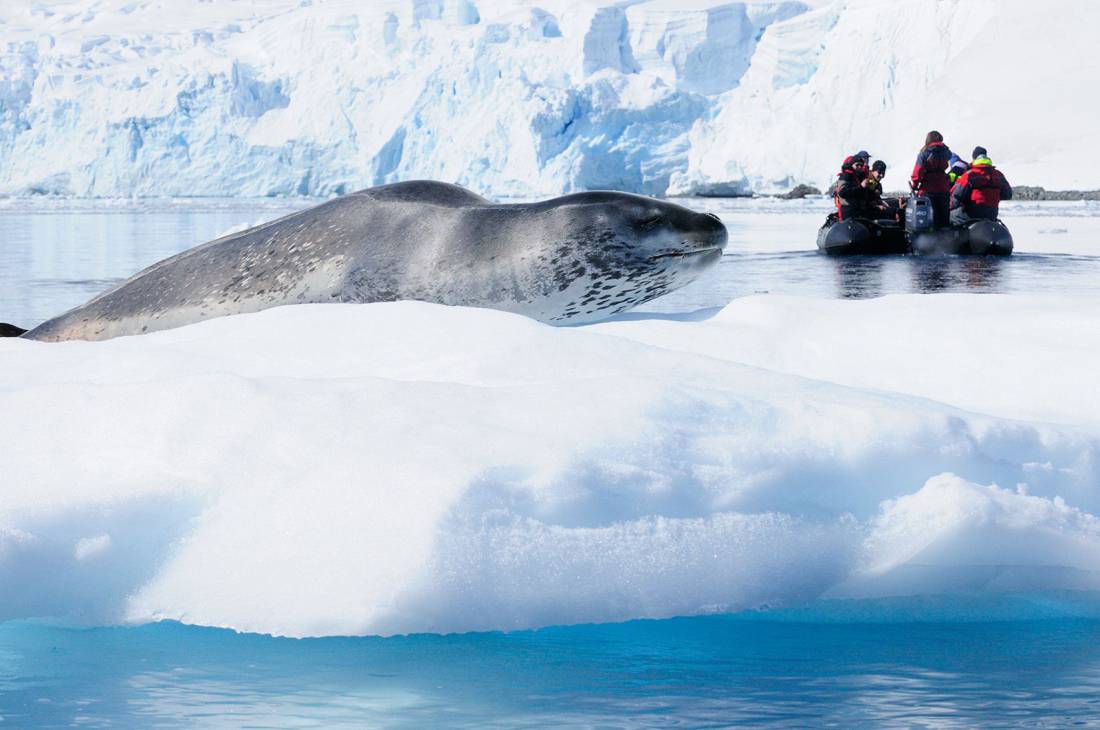
Image Credit: Oceanwide Expeditions
The traditional method for obtaining data on seal body size and mass requires a significant amount of time and money, not to mention manpower. The method requires researchers to capture the animal, sedate them, sample and take measurements, reverse the sedative, and release it. However, they still weren’t done even after the seal had been released, they have to continue to monitor the animal for a certain amount of time to make sure they didn’t stress the poor critter out too much and to make sure he or she recovers completely.

Image Credit: Oceanwide Expeditions
So not only does the traditional method require a lot of resources to be invested, it also is rather intrusive on the seals themselves.
So how can drones replace such an extensive process? Well, rather easily. Scientists are finding that they are able to take their desired measurements from aerial photos taken from the drones.
The researchers tested the accuracy of this new method by comparing the data acquired using traditional methods to the data extrapolated from aerial photos of the seals they were sampling and measuring. They found that body length measurement was within roughly two percent and mass was within about four percent. That’s pretty impressive when you consider the fact that they’re getting within 40 or 50 pounds on an 1100-pound seal.

Image Credit: NOAA AERD
The information collected on body size helps give scientists a glimpse into the age, physiology, foraging ecology, life history, and even evolution of these marine mammals.
Learn more from our source here.