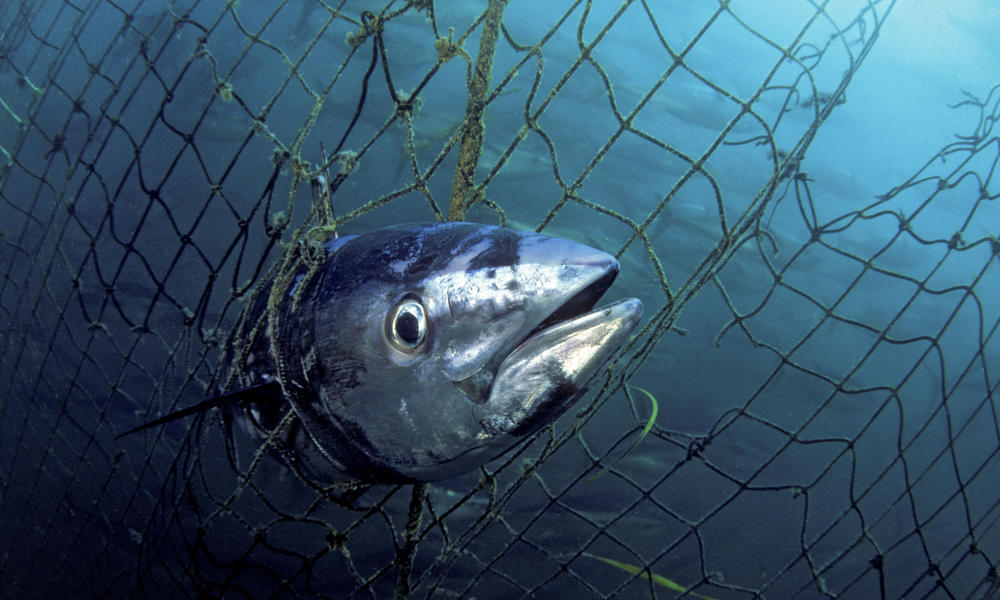
We’re Eating Bluefin Tuna to Death: Is It Too Late to Stop?
Featured Image Credit: WWF
By: Alice Morris
What is the value of a fish? A few dollars per pound? Perhaps a bit more for a delicacy?
How about $1.76 million for a single fish?
It may sound absurd, but that’s exactly how much one man was willing to pay in 2013 for a prime catch of bluefin tuna, one of the most valuable fish in the world.
As a result of these high prices and an even higher demand, bluefin tuna populations are being overfished. Environmentalists are desperately working to give these emblematic fishes a chance at recovery.
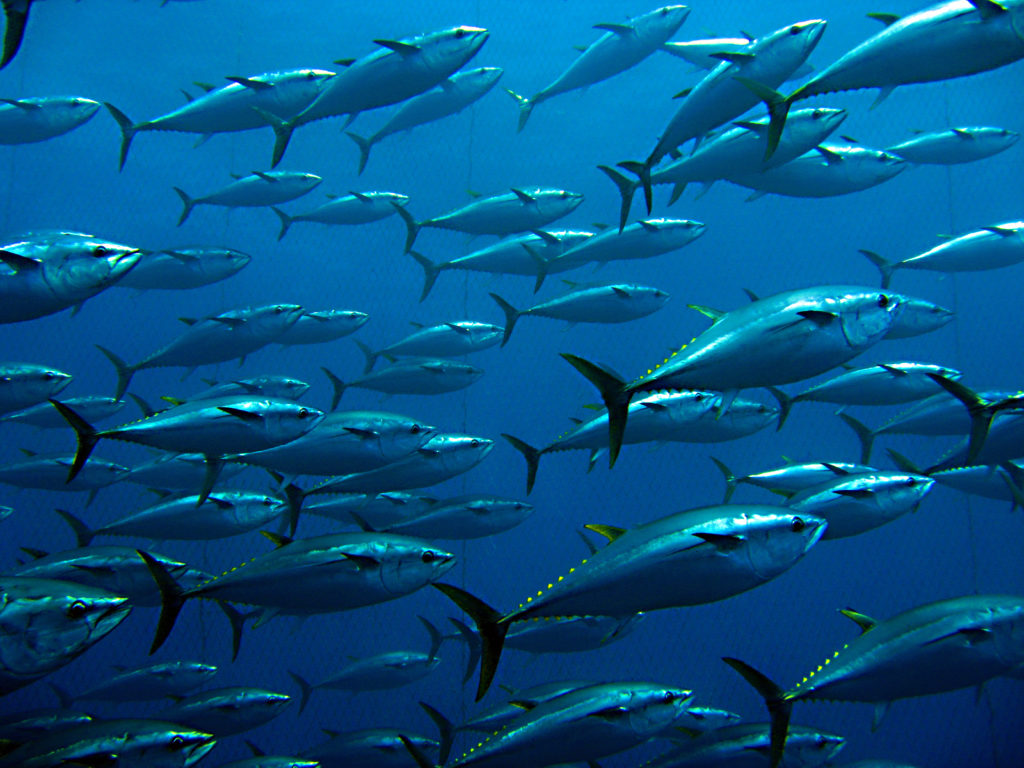
Photo Credit: © Ugo Montaldo via European Commission
In late June, environmentalists and scientists petitioned the U.S. National Marine Fisheries Service to list the Pacific bluefin tuna, one of three species of bluefin tuna, as endangered under the Endangered Species Act.
If granted, this will afford the species the highest level of protection, making it illegal to kill Pacific bluefin tuna in American waters. In addition, Americans would be banned from possessing the fish in and out of the United States, and selling or trading it in the U.S. would be illegal.
Bluefin tuna meat is popular around the world, especially in Japan where it is used to make sushi and sashimi. But overfishing has depleted Pacific Bluefin tuna numbers to less than three percent of what they were a few decades ago.

Photo Credit: via Getty Images
One part of the problem is that the vast majority of Bluefin tuna are caught as juveniles. This means that they are being plucked out of the ocean before they have a chance to mate and produce their own offspring.
As a result there are far less tuna in the ocean and the average weight of individuals caught in the wild has been cut in half from 1,200 to 600 pounds.
To make matters worse, the migratory nature of bluefin tuna makes reinforcing protective measures difficult. These fish pass through the waters of many different nations during their lifetime.
So in order for conservation methods to be effective, each nation must agree to play their part. This is a difficult task when some countries rely on the fishing industry far more than others.
Meanwhile, the Atlantic Bluefin tuna faces a similarly bleak situation. In 2010, the Center for Biological Diversity submitted a petition to protect Atlantic Bluefin tuna under the Endangered Species Act, but the petition was rejected. Instead, the fish was listed as a “species of concern,” which places the wellbeing of the species on the back burner, offering it no real protection for now.
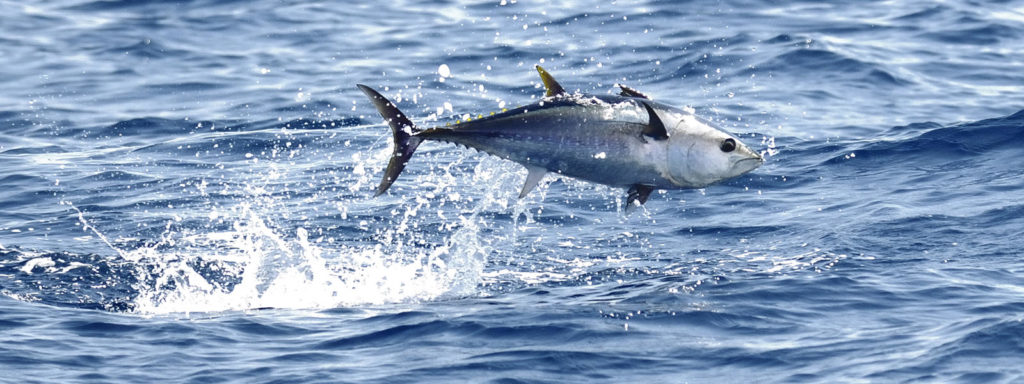
Photo Credit: WWF
If Pacific bluefin tuna do manage to secure protection under the Endangered Species Act, they’re still swimming against the current, so to speak. The U.S. is a relatively small threat to Bluefin tuna numbers, and this protection won’t be enough.
In 2014, 37 million pounds of Pacific Bluefin were caught. Japan caught half of this amount and Mexico caught about thirty percent.
Still, the ESA listing would be a symbolic first step that would hopefully spur other nations to take action, and would help boost the populations, if only a little.
It’s certainly something to consider the next time you’re dining on sushi. After all, you can’t put a price on the health of our oceans.