
This Is How You’re Going To Eat Fish In The Future
By: Lindsay Edgar
Featured Image Credit: Bryce Groark Photography
Whenever you hear the word culture, you immediately think of people from different ethnic backgrounds, conducting themselves in diverse ways of life. You may associate the word “culture” with the appreciation of art. But, the word aquaculture? Does this word imply that people are simply fascinated with all things water? Has water somehow become the center of their civilization?
Also known as fish farming, aquaculture refers to the breeding and cultivation of both plants and animals in varying types of water environments. Whether it be a lake, pond, river, or ocean habitat, the fish are safely produced and raised accordingly.

Image Source: http://www.gfwadvertiser.ca/News/Local/2015-09-09/article-4270860/Testing-natural-cleaners/1
So, why do we need aquaculture? In truth, there are significant benefits to it. It also serves many purposes. Environmentally speaking, by farming and breeding the fish in a safe environment – one without predators and pollution, the fish are able to grow to maturity and eventually are released in order to rebuild wild populations.
In some cases, exotic fish are bred specifically for the aquarium trade. This in turn keeps fishermen from plucking rare species out of the delicate coral reefs. Since overfishing has become a serious issue, aquaculture has reduced human reliance on wild fish populations.
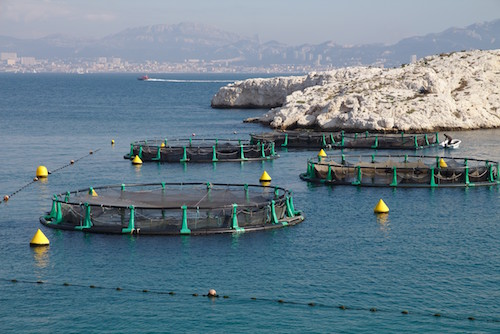
Image Credit: http://heritageradionetwork.org/podcast/aquaculture-is-it-all-too-fishy/
Aquaculture is also very linked to the seafood that we eat. It’s no secret that the demand for seafood has increased, and the process of aquaculture is currently estimated to account for more than 50 percent of world fish production. The ability to raise seafood in regions without geographical access to water has an amazing impact on the health and economy of those communities.
The importance of fish farming is undisputable and it remains a reliable and efficient process. It is the hope that the process will continue to improve the lives of both humans and fish alike!
Read more from our sources:
http://www.nmfs.noaa.gov/aquaculture/what_is_aquaculture.html
http://www.eschooltoday.com/aquaculture/importance-of-aquaculture.html

