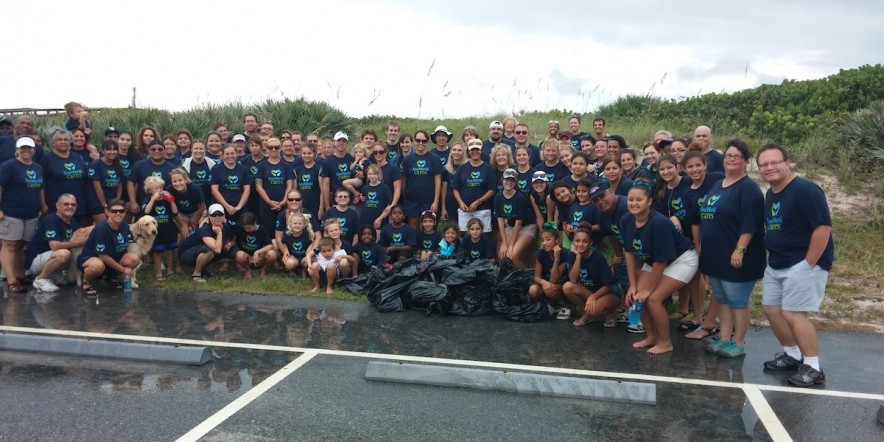
SeaWorld Employees Celebrate International Coast Clean Up Day
September 20 was International Coastal Clean Up Day and every year SeaWorld Team Members and their friends get out there and make a difference because that’s what SeaWorld employees and SeaWorld fans do.
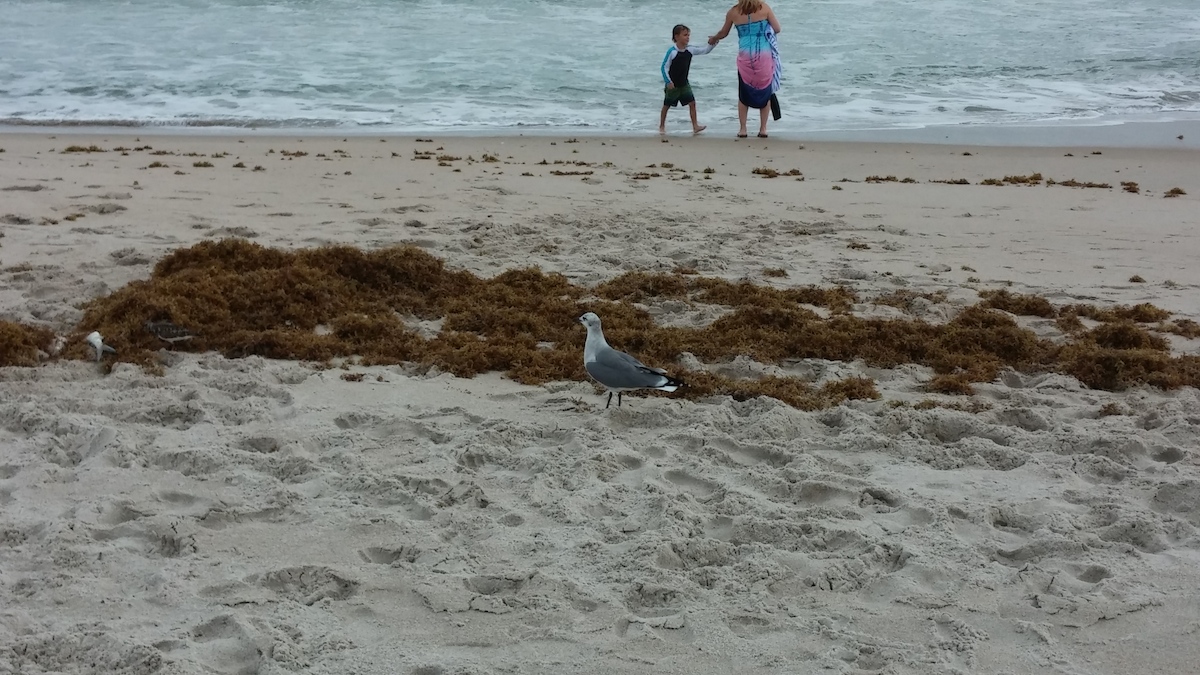
This past Saturday morning we were off to a very wet start, and while rain stopped protesters from coming out to the par,k it doesn’t stop the SeaWorld team members and their friends from taking action.
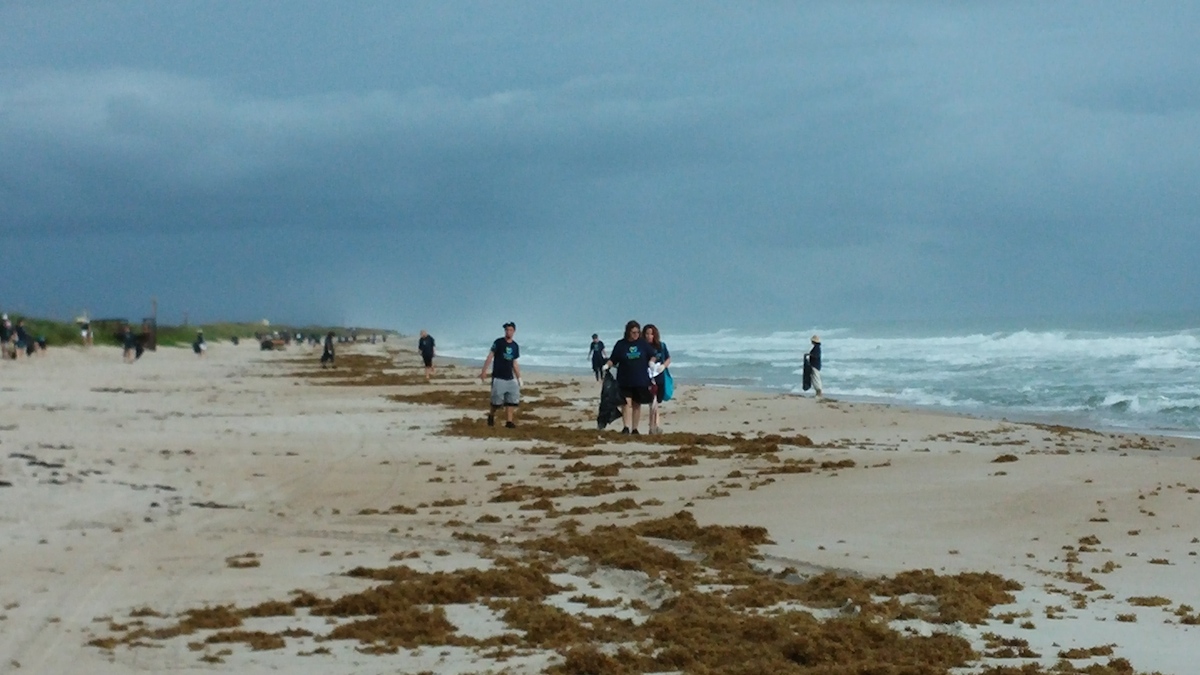
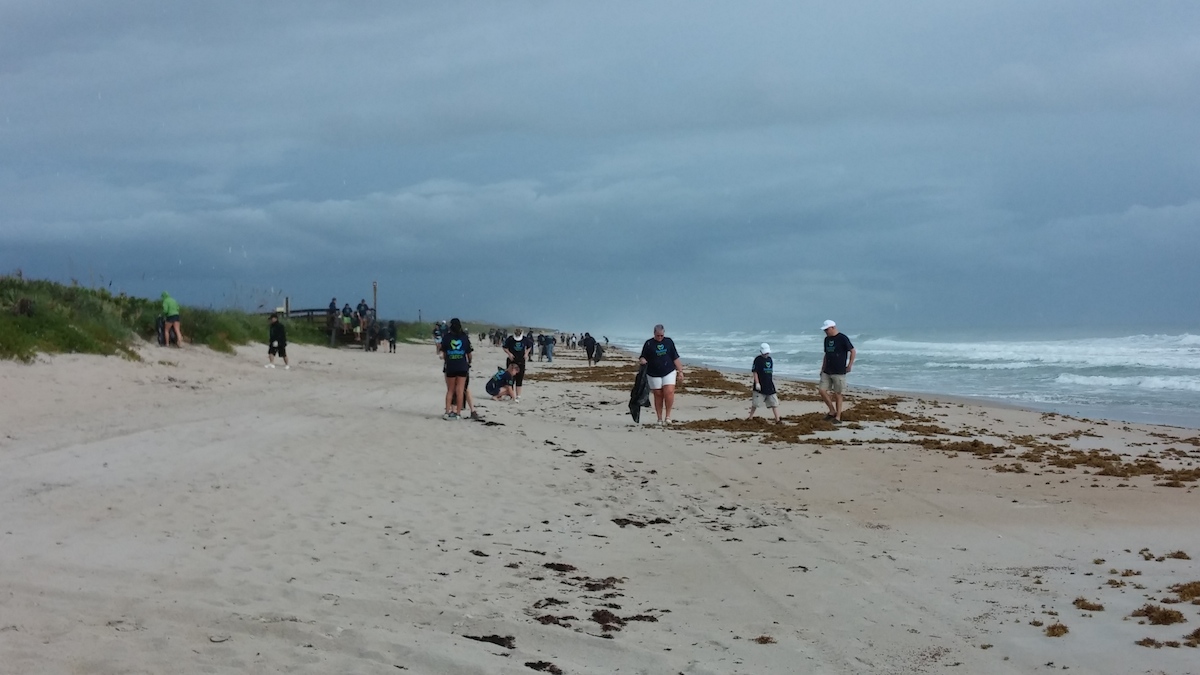
Nearly 100 people braved the weather and participated in this year’s Beach Clean Up at Cape Canaveral National Seashore in Titusville.
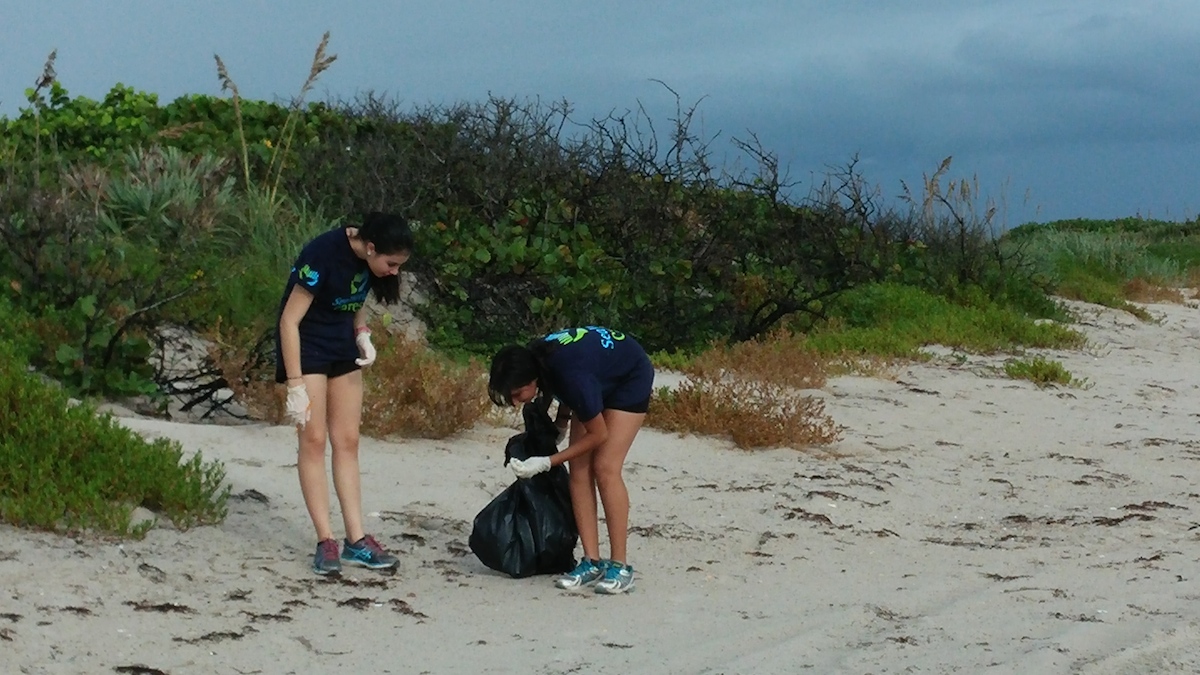
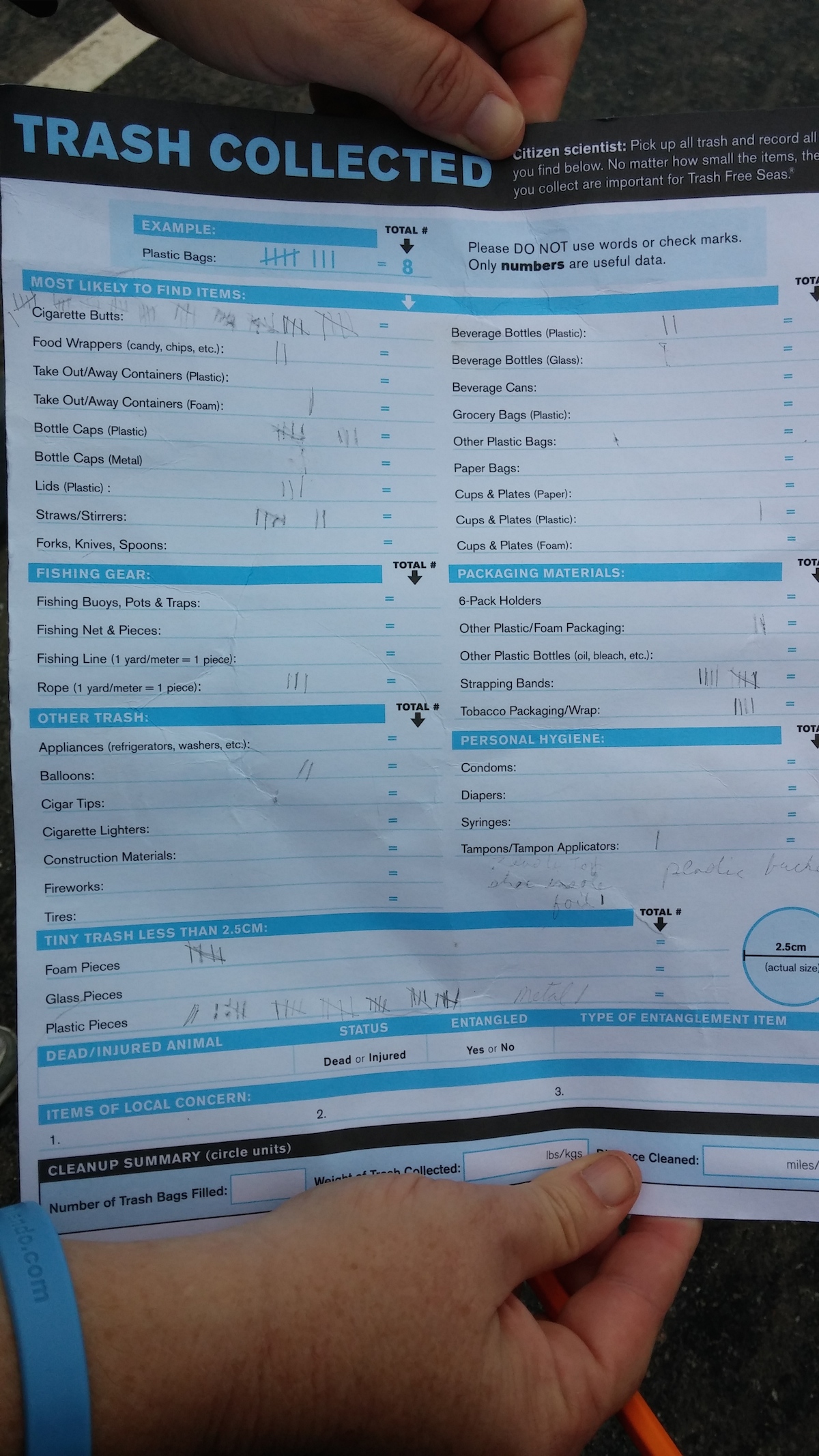
The bus arrived at about 8:45 a.m. and we headed to the beaches and got to work. Together we cleaned 5 miles of coastline in 2.5 hours. Common items we found were cigarette butts (about 12 years to decompose), plastic bags (up to 1000 years). plastic bottles (up to 400 years to decompose) even a toy plastic car washed ashore in the surf.

While cleaning the beach, off in the distance we could see a few dolphins jumping. This sighting was a highlight of the day because we could actually see the creatures we would be impacting.
After the cleanup was complete, we had a group picnic to discuss our finds. We then headed over to Hanover Canal, part of the Merritt Island National Wildlife Refuge, and upon our arrival we could see a few manatees swimming in the lagoon. How awesome is that?
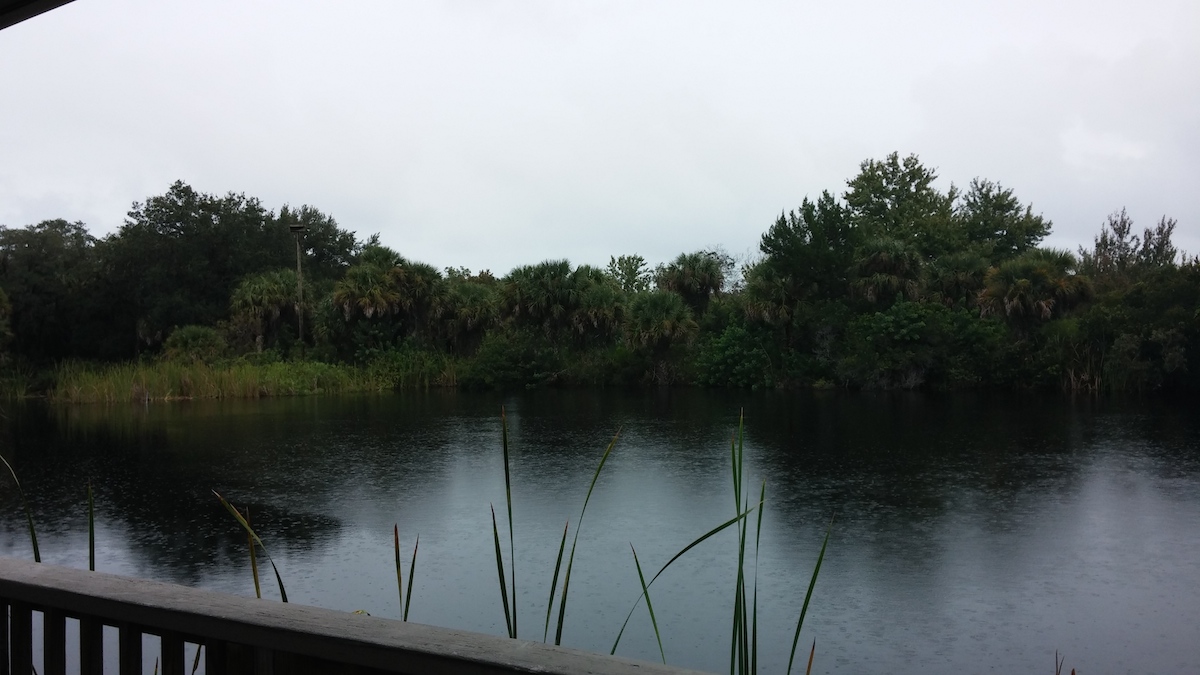
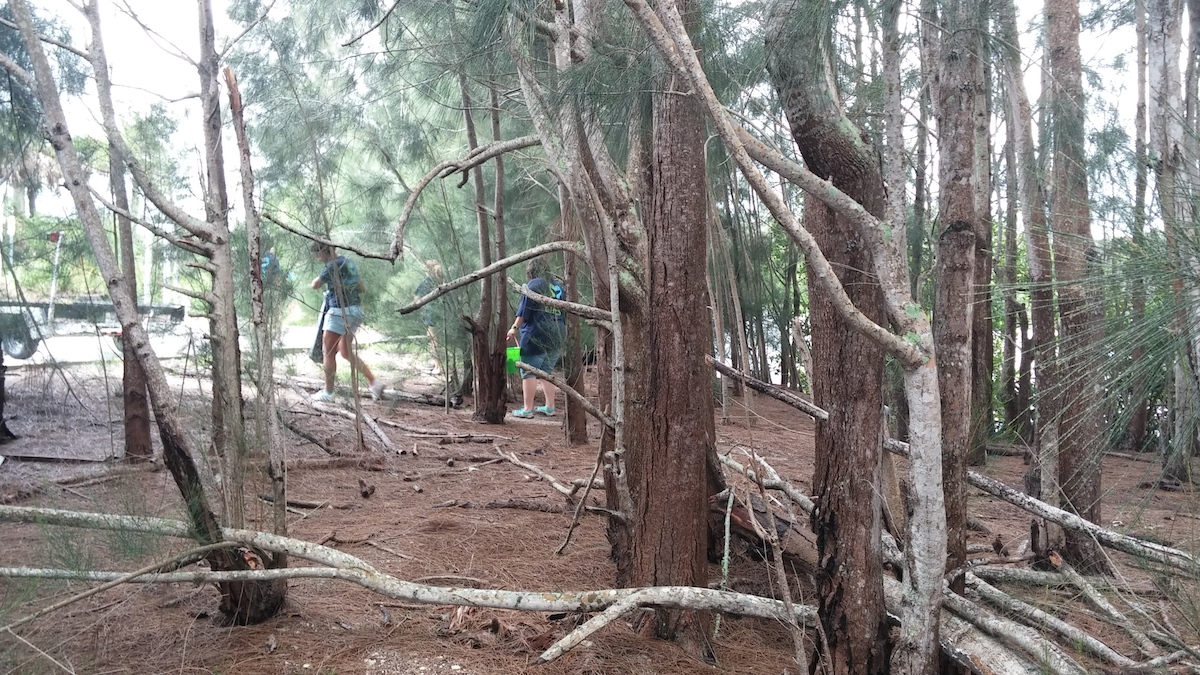
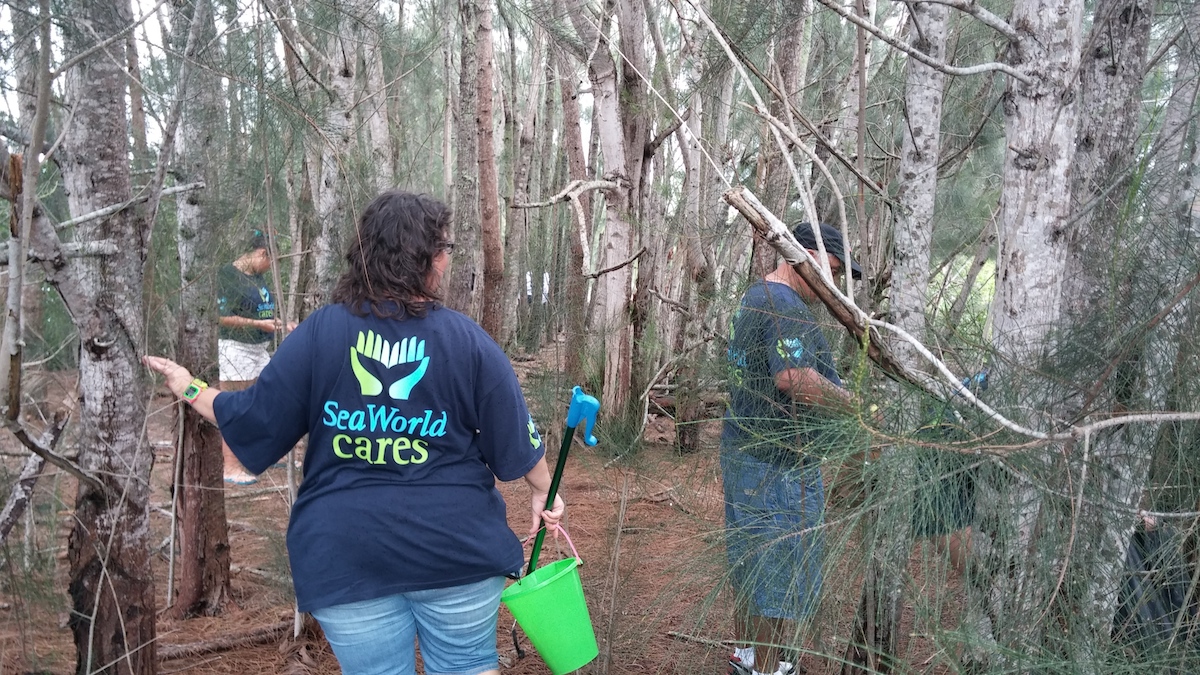
Sadly, this area was full of trash and in 45 minutes of cleaning we gathered more trash than we had at the other beach. We left Hanover Canal looking beautiful so more people can fish and enjoy the canal.

We found beer bottles, wooden frames, foam coolers, plastic twist ties, ropes, a knife, monofilament line and so much more.
Monofilament line also known as fishing line, is one of the most dangerous items for marine life and birds. Animals get injured from entanglements and ingesting the line, and an easy way to prevent this is to look for monofilament line recycling bins.

The company who recycles these lines melt the line down into raw plastic pellets that can be made into other plastic products, including tackle boxes.
I would like to take this moment to encourage all of you reading this article that no matter what day it is, if you see trash that you can pick up please do so.
Our wild animals and Mother Nature will appreciate it. Every piece of garbage picked up is a piece of garbage that is not going to hurt or kill our precious land or sea animals. SeaWorld has taught all of us that one single action leads to really big changes, so lets start a ripple and turn it into a big splash and soon huge waves will follow.
Text and photos by: Chris Schuck