Cook Inlet Belugas Are Shifting To Freshwater Prey
Featured Image Credit: Unsplash
By: Sarah Sharkey
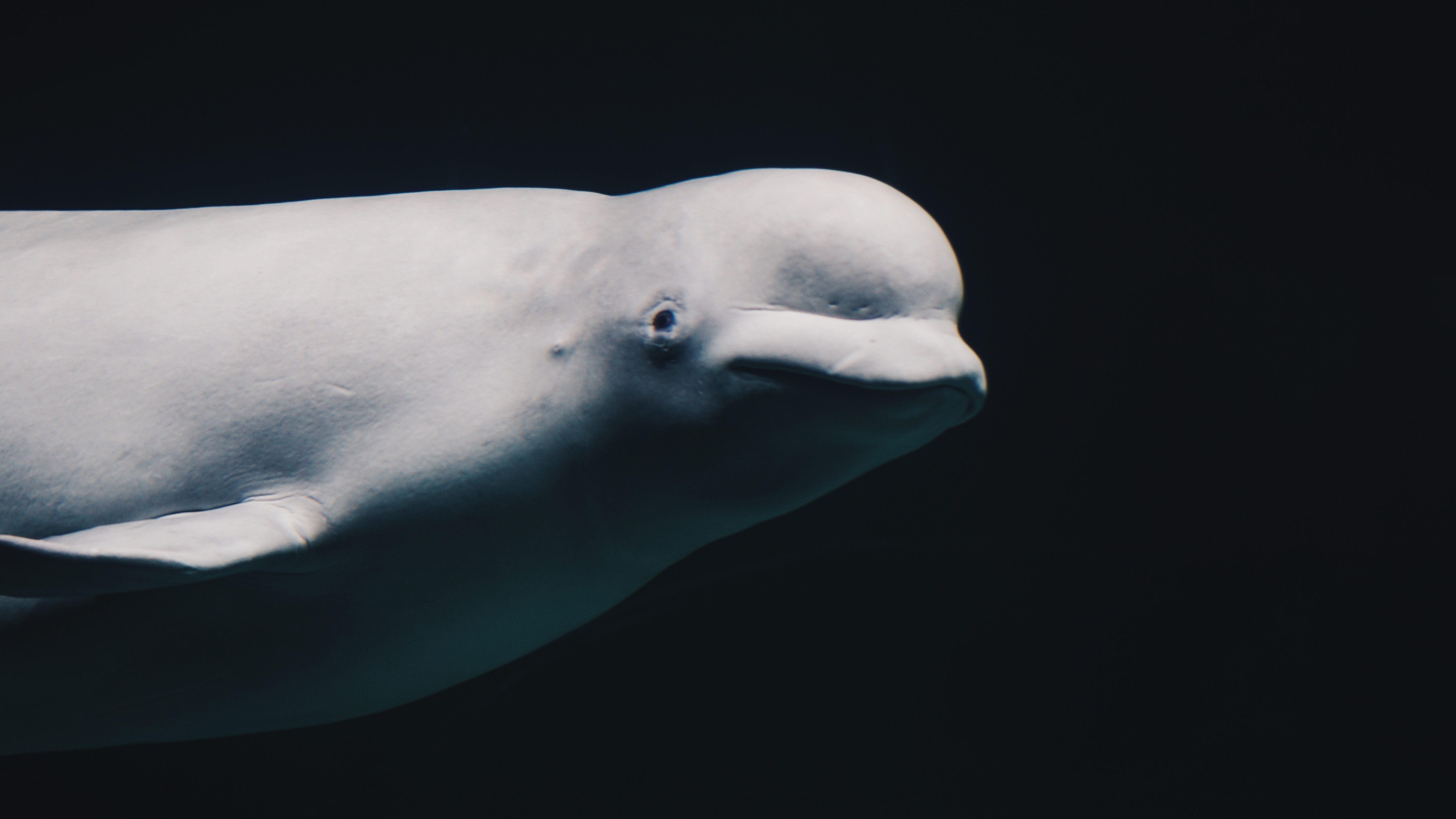
The Cook Inlet beluga whale population has been struggling for decades. The population has dwindled to only 340 animals and researchers are attempting to figure out why they have not recovered yet.
A recent look at the dietary habits may hold an answer to the plight of the struggling animals. After analyzing the chemicals in the skull and teeth of belugas throughout time, an interesting point was discovered. According to the findings, the Cook Inlet belugas have been shifting their diet to freshwater prey over time. Although no one is quite sure why the shift is happening it helps to explain why these animals haven’t recovered yet.
The lead scientist on the study, Mark Nelson, had this to say about the findings, “ Figuring out what started to drive belugas toward freshwater environments and away from the marine environments might be key in figuring out why they haven’t recovered.”
The fact that the belugas are hunting more in freshwater is huge. According to Nelson, “It kind of ties together this whole picture: Belugas aren’t in the same places. They’re spending more time in the upper reaches of the Cook Inlet. And, it’s showing up in their diet.”
This is just one piece of the puzzle, but it may help wildlife managers to better protect these animals.
Learn more from our source.