
Nothing To See Here, Just A Fish Sleeping In A Cocoon Of Its Own Mucous
Featured Image Credit: Youtube
By: Jessica Kittel
Fish need their beauty sleep too! It seems rather obvious that fish must sleep to survive, but how do they do it? Well, for starters, fish don’t have eyelids (guess that means they can’t do cheeky winks at the cute fish in the next coral head over). Therefore, they don’t close their eyes and enter into a REM (rapid eye movement) cycle the same way we do. Instead, they enter into a resting state that is more similar to when we zone out and daydream than to us snuggling in for the night.
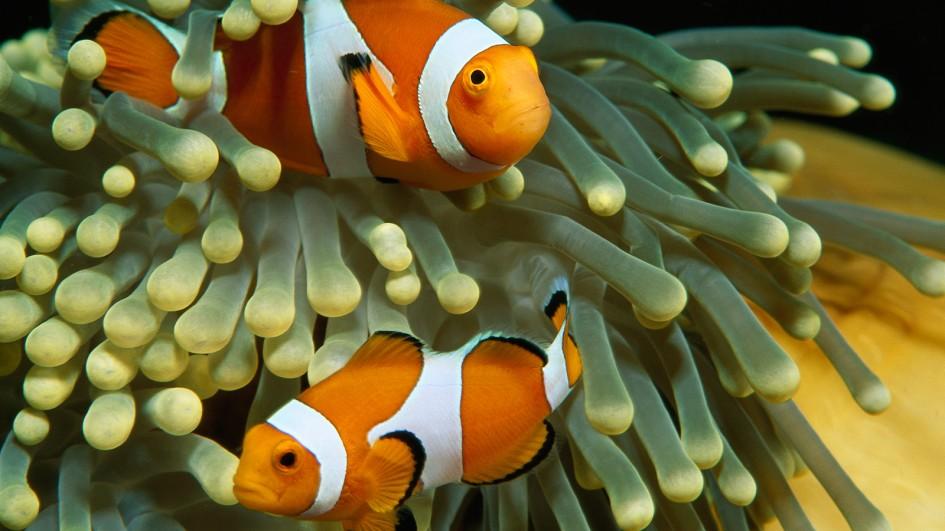
Image Credit: National Geographic Kids
Research has shown that during this sleepy time the fish’s activity and metabolic levels will drop down, however, the fish will continue to stay alert to potential danger. Fish don’t cozy up with a blanket, pillow, and Tempurpedic mattress either. Instead, fish will either float, wedge themselves into a section of mud or coral, or occasionally they will use a nest. Scientists believe that these resting periods are enough for fish to receive the same restorative benefits humans receive from a full REM sleep.
Fish can even be sleep deprived! Fish are used to the natural light and dark cycles and, due to the fact that they can’t use eyelids to block out light, are dependent on the cyclical daily light cycles. Detrimental effects have been observed in aquarium fish when they were deprived of a “dark period” due to the presence of artificial light.
Fish sleep might seem a little odd but it’s parrotfish sleep that really takes the cake. Parrotfish sleep in a cocoon made from their own mucous. They spend a little over an hour everyday secreting this mucous and surrounding themselves in it. While we may never know with complete certainty why they do this, it’s very likely a tool to keep parasites at bay so the can rest in peace with no worries in the world. Good night l and sleep tight little parrot fish!

