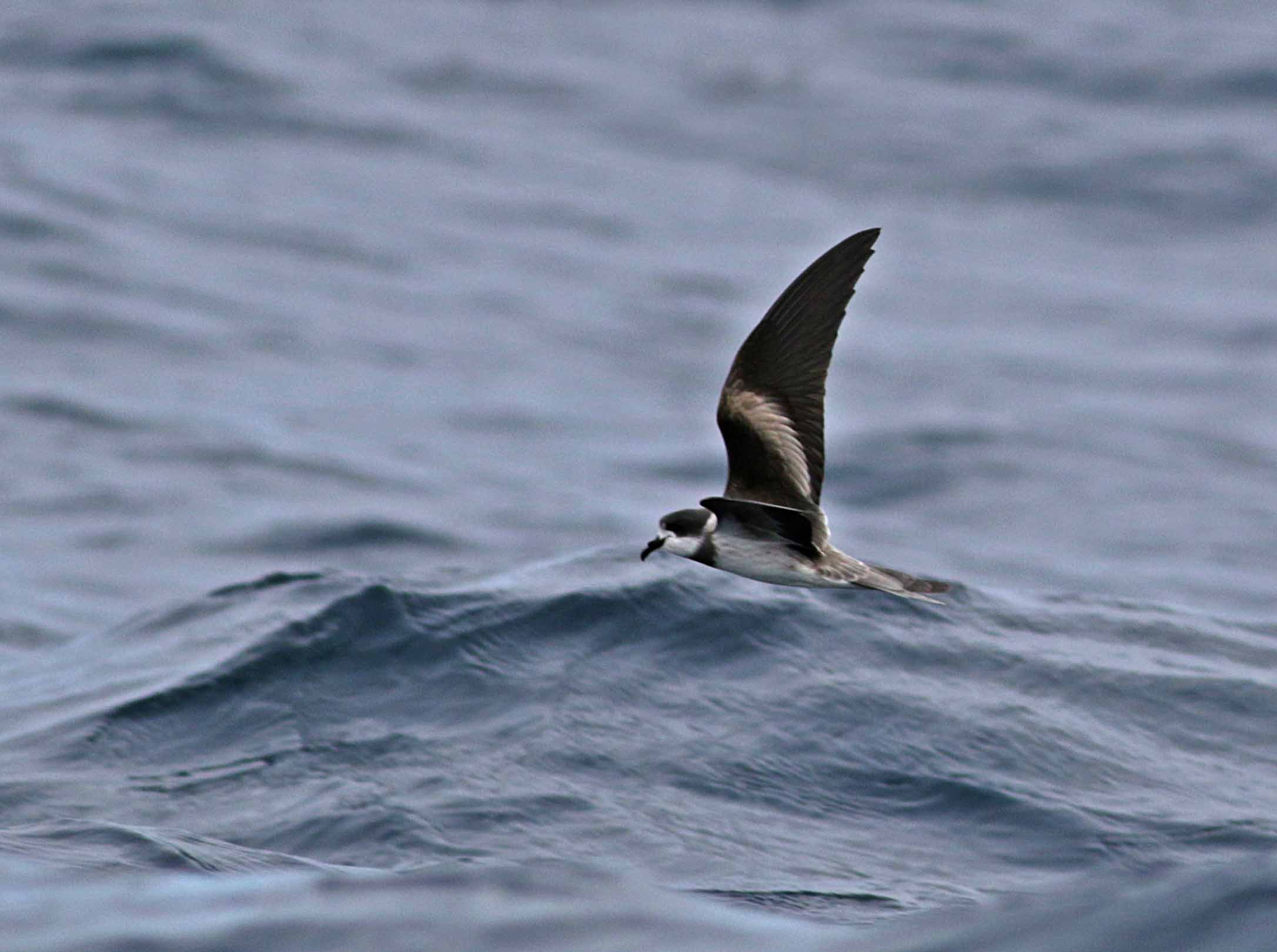
Hornby’s Storm-Petrel Nesting Colony Discovered In The Atacama Desert
Featured Image Credit: David Fisher
By Eva Gruber
Hornby’s Storm-petrel (Hydrobates hornbyi) is one species of seabird which we know shockingly little about.
The storm-petrel taxon includes two families – Hydrobatidae and Oceanitinae – and about 30 species. They belong in the same order as albatross, shearwaters, and fulmars – the Procellarids, or tube-noses (after the tube-like salt exuding structure atop their bills). These are the eponymous seabirds – birds of the sea, the wind, and the storms – feathered sailors traveling vast expanses of ocean and living lives far away from and out of sight of many human activities.
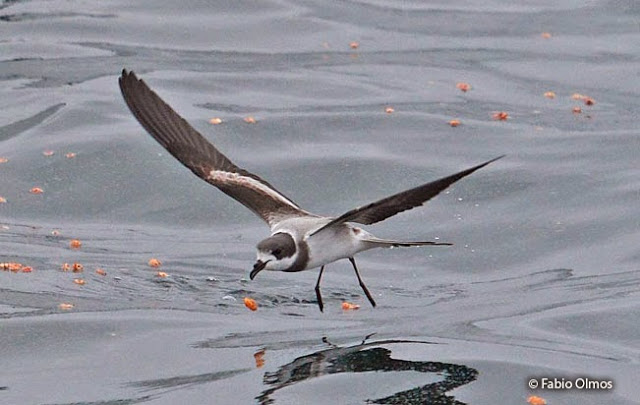
Image Credit: Fabio Olmos
Most studies about seabirds come from research taking place during the breeding season. This is because many seabirds form large colonies, often on oceanic islands, on which they can breed and raise their offspring. This is often the only time that these birds spend significant amounts of time near land. This time offers marine ornithologists one of few opportunities to study the biology of the birds. Once they are finished fledging their young, they often disappear from sight of land for months at a time until it is time to breed again.
However convenient breeding seabird colonies are, there are some species that do not adhere to the method of large, noisy, obvious colonies on oceanic islands or near shore. These are the species that remain the most mysterious, with our only sightings of them based on pure luck at sea. These fleeting glimpses do not allow any depth of understanding the biology and conservation status of the species.
Up until now, the species known as Hornby’s storm-petrel had lived a life of mystery, with not enough data to even warrant an IUCN conservation status. There have been thousands of observations of Hornby’s storm-petrel at sea in the eastern Pacific, and from these and other observations, researchers estimate the population to be numbering anywhere from 670 – 60,000 mature individuals.
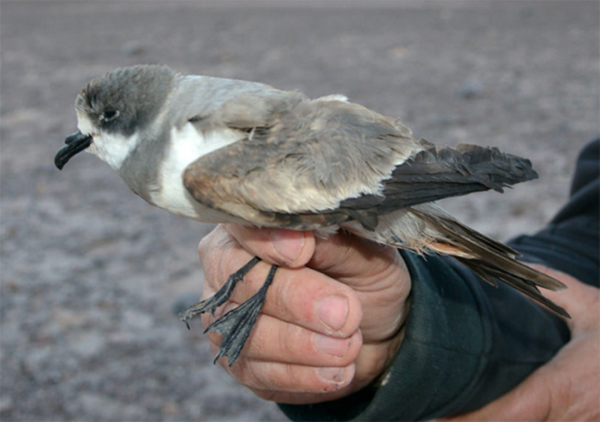
Image Credit: birdsofeurope.eu
Researchers pieced together other observations and studies of washed up birds to pinpoint a region to search for their colonies – the arid deserts of the western coast of South America. And good news! Finally – after years of searching – the first nesting colony of Hornby’s storm-petrel has been found. The search and subsequent finding was part of the La Red de Observadores de Aves y Vida Silvestre de Chile (ROC) – the Bird and Wildlife Observers Network of Chile – Golondrinas Desert Project. The organization started this project to find nesting colonies, carry out reproductive biology studies, and evaluate the conservation status of the four seabirds found off the coast of Chile which were likely to be nesting in the Atacama desert.
This is a great success for a devoted team of passionate biologists and is only the first step in filling in large gaps in knowledge about these secretive seabirds.