Mystery (Kinda) Solved: Bermuda Triangle Has Gas
What does ocean flatulence and the cold waters of the Arctic have to do with the disappearance of ships in the warm Bermuda Triangle? Read on, friend, and prepare to have your mind blown.
First things first, the ocean has gas. Not cute little newborn gassy toots, but rip-roaring, crater-making gas.
Scientists have discovered giant craters in the seabed off the coast of Norway that were created by methane bubble explosions. The gasses, which leaked from oil and gas deposits deep below the seafloor, created gaping holes about half a mile wide and 150 feet deep.
Here’s the big question – could an explosion like this threaten the safety of a ship, and furthermore explain the disappearance of ships in the Bermuda Triangle?
A new radar developed to show detailed images of the seabed hopes to show methane seepage around the globe and explain numerous reports from sailors who saw water bubbling and foam forming for no apparent reason.
“Multiple giant craters exist on the seafloor in an area in the west-central Barents sea … and are probably a cause of enormous blowouts of gas,” said researchers at the Arctic University of Norway. “The crater area is likely to represent one of the largest hotspots for shallow marine methane release in the Arctic.”
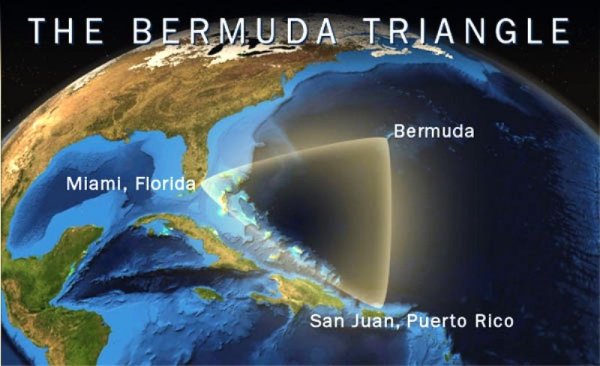
The Bermuda Triangle is also known as the “Devil’s Triangle,” covering the area between Bermuda, Puerto Rico and Melbourne, Florida. Numerous ships, aircraft and an estimated 8,127 people have been lost in this area since 1851.