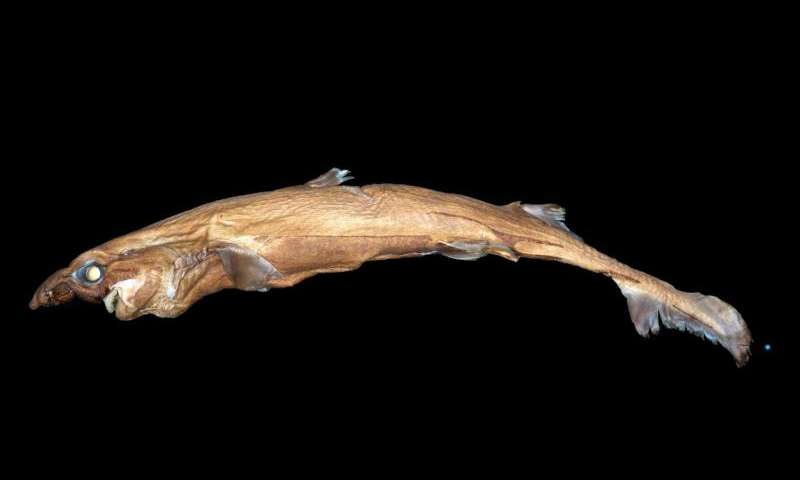
A New Species Of Shark: Tiny, Large Nosed, And Glow In The Dark
Featured Image Credit: Florida Atlantic University
By: Jessica Kittel
Okay, so just to clarify a couple things:
- As explained on theguardian.com, this new species is a Lanternshark and if you want to get really picky Lanternsharks are a type of dogfish. However, dogfish are essentially just really small sharks so we’re going to go with it.
- Technically speaking, this shark isn’t exactly new since it was actually found 17 years ago off the coast of the Northwest Hawaiian Islands however, it was only recently identified as a completely new species.
- I wouldn’t mention anything about the size of their nose in front of them; they’re probably pretty sensitive on that subject.
Featured Image Credit: National Geographic
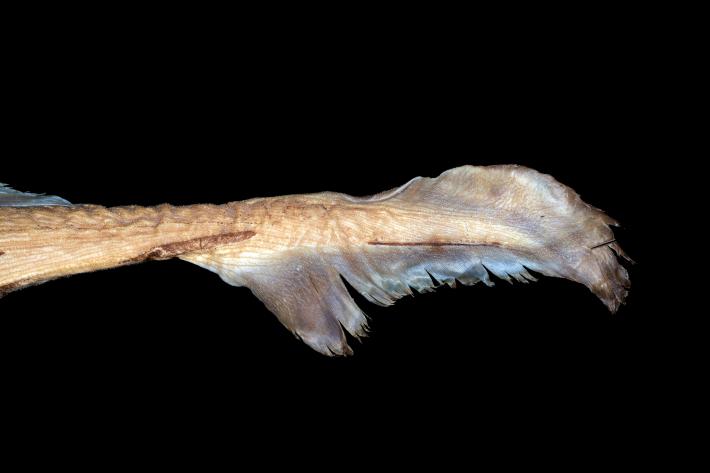
Now that we’ve gotten all of that out in the open, let’s talk about the super cool new species Etmopterus lailae. Sciencedaily.com explains that the initial specimen was found at 1,000 feet below the Pacific Ocean weighed in at a whopping two pounds and was less than a foot in length.
It’s not particularly often that scientists discover new species of sharks, in fact, there are only roughly 450 species currently known in the whole world. The fact that they were able to find a shark that was this itty-bitty and lives at such great depths is pretty amazing in its self.
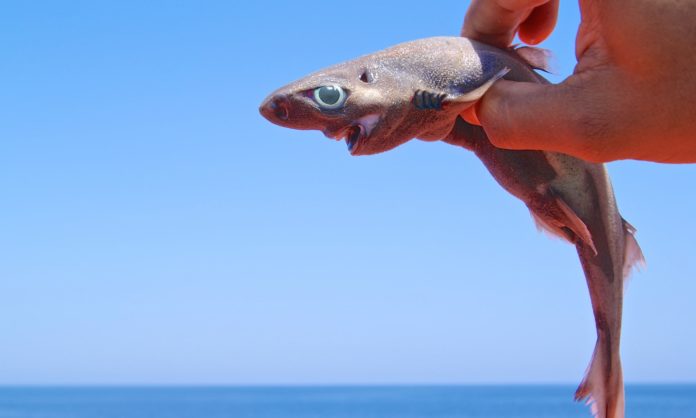
Image Credit: http://beyondrealitynews.com
Researchers were able to confidently confirm that this was, in fact, a new species after painstakingly compiling lists of measurements and conducting thorough comparisons to other similar species. The large snout was one aspect that set this shark apart from other known lantern sharks. It is likely that the bulbous snout is due to the fact that living in a dark deep-sea environment requires them to rely on senses besides sight to find food sources.
This new species also glows in the dark (aka bioluminescence) but that’s pretty standard for all lantern sharks. Although scientists don’t know the exact reason they glow in the dark some hypotheses include mate recognition, camouflage from predators, and luring in prey.
Learn more from our source.