Noise – The New Menace of the Oceans
Most people are aware that trash pollutes our oceans, but did you know that noise can be just as problematic?
Noise pollution, a fairly recent discovery within the scientific community, is the cumulative sound added to the water by human activity.
While many humans are accustomed to loud and boisterous environments, many animals require a relatively peaceful setting to thrive. For example, some whales frequently use echolocation to locate food, other whales, and under water land formation. When human noise enters the equation, these whales’ navigation abilities are seriously compromised.
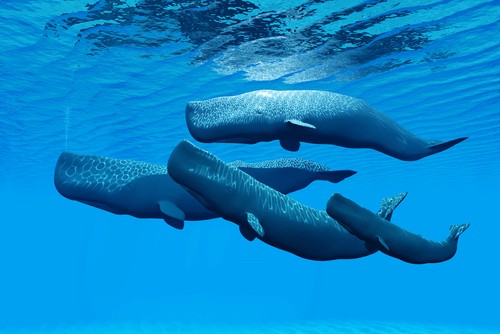
One of the first people to document noise pollution was Lindy Weilgart, who spent a year following a population of sperm whales across the ocean in 1992. Originally intending to study how the whales were communicating with each other, Weilgart soon discovered that surrounding sound had a profound impact on the whales.
“Even a little splash by a swimmer would freak them out,” said Weilgart.

In a 2007 paper, Weilgart detailed a few of the consequences of this alarming trend.
“Marine mammals have also been observed to decrease their vocalizations in response to noise, sometimes ceasing to call entirely for periods of weeks or months. This can have implications for breeding, feeding, or social cohesion, depending on the calls affected.”
To accommodate for the increased sound in their habitat, whales will communicate less. Our loud activity stops whales from communicating with each other!
This pollution also drives whales from their natural breeding and feeding grounds.
“Displacement from critical feeding and breeding grounds has been documented in a number of marine mammal species exposed to noise,” says Weigart, “Possibly the most striking example is the displacement of gray whales from breeding lagoons in response to industrial noise or dredging and shipping. The critically endangered population of western gray whales off Sakhalin Island was also displaced from one of their primary feeding areas by seismic survey activity.”
“Twenty years ago, the issue was virtually nonexistent, but since then there’s been a great infusion of science and regulatory concern,” says Michael Jasny, director of the Marine Mammal Protection Project at the Natural Resources Defense Council.