Scientists Call In the Seals To Study Hardest Parts of the Ocean to Reach
The Southern Ocean is one of the most difficult places on Earth for scientists to study. It is remote, notoriously rough and covered by sea ice for part of the year. Research ships can collect valuable measurements there, but they cannot be everywhere at once.
Elephant seals, on the other hand, seem perfectly happy to do the traveling for them.
Scientists have used data collected by instrumented southern elephant seals to uncover previously hidden movements of water deep beneath the surface of the Southern Ocean. The research, published in Nature Communications, analyzed an extraordinary 133,598 dives made by seals between 2014 and 2020.
Together, the animals provided researchers with measurements from places and depths that would be extremely difficult to monitor continuously using ships or traditional ocean instruments.
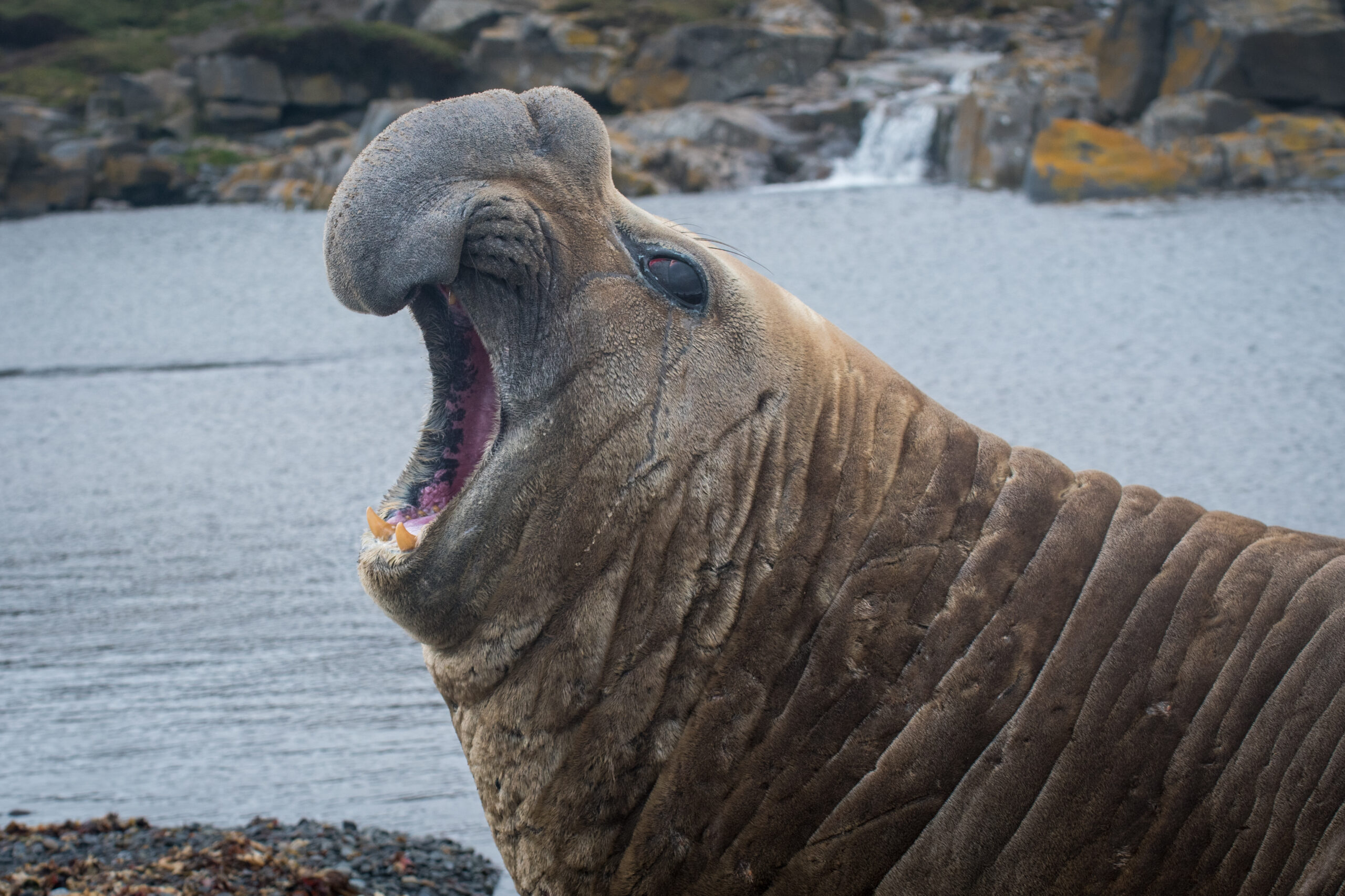
Southern elephant seals are almost absurdly well suited for the job. The massive marine mammals spend months traveling through some of the most remote waters on the planet and routinely dive hundreds of meters beneath the surface while searching for food.
Researchers can temporarily attach small scientific instruments to the seals before they head to sea. As the animals dive, those sensors record information about the surrounding water, including temperature, salinity and depth. Some of that information can then be transmitted back to scientists by satellite when the seals return to the surface.
The seals simply go about their normal lives.
The scientists get an enormous amount of ocean data.
In this case, those dives revealed something happening beneath the Southern Ocean that had been difficult to observe before.
Researchers were studying small but energetic ocean features known as submesoscale fronts. These are areas where differences in water temperature, salinity and density create narrow boundaries and complex currents.
Scientists already knew these features were common near the ocean’s surface. What they did not fully understand was how much was happening farther down.
The seal data showed that these energetic movements extend from the surface to depths of at least 500 meters and can actually become stronger below the upper mixed layer of the ocean. Researchers also found that they occur throughout the year, with their intensity changing seasonally.
That matters because these relatively small ocean features can have an outsized influence on the way heat, nutrients and other material move vertically through the water.
Understanding those movements is important for scientists trying to build a clearer picture of how the Southern Ocean works and how it interacts with Earth’s climate.
Sometimes the Best Ocean Researcher Has Flippers
Using animals to collect ocean data is not entirely new. Scientists have been attaching instruments to seals and other marine animals for years, particularly in polar regions where traditional observations are difficult to obtain.
But the sheer scale of the dataset behind the new research shows just how valuable those animal-assisted measurements have become.
More than 133,000 dives gave researchers an unusually detailed look at conditions across a vast and difficult-to-monitor part of the ocean. The measurements also reached depths and locations that satellites observing from space cannot directly examine.
There is something fitting about using elephant seals for the job.
These animals experience the Southern Ocean in a way humans simply cannot. A research vessel passes through. A satellite looks down from hundreds of miles above. An elephant seal actually moves through the water column, repeatedly traveling from the surface into the deep ocean and back again.
Each dive becomes a vertical snapshot of the world beneath the waves.
When thousands of those dives are combined, they begin to reveal patterns.
The latest findings suggest that vertical exchanges of heat and nutrients at depth may be more important than scientists previously understood. Researchers can now use those observations to improve their understanding of ocean circulation and potentially the models used to study the Southern Ocean’s role in the global climate system.
And the seals are still doing what they would have been doing anyway: swimming, diving and looking for dinner.
It’s an unusual scientific partnership, but an incredibly effective one.
Somewhere in the Southern Ocean, an elephant seal can dive hundreds of meters into freezing water in search of its next meal and, without knowing it, send scientists information from a part of our planet they struggle to reach themselves.
Turns out some of the ocean’s best research assistants were already living there.
Sources: Marine Mammals Exploring the Oceans Pole to Pole