Scientists Found 57 New Species in an Underwater Canyon Nearly Twice as Deep as the Grand Canyon
Scientists studying a deep underwater canyon off the coast of Argentina have described 57 species that are completely new to science, along with five new genera.
The finds come from the Mar del Plata Submarine Canyon, which plunges more than 3,500 meters, nearly twice the depth of the Grand Canyon. It sits where warm subtropical water meets cold water from the south, a mix that makes it a rich and mostly unexplored habitat.
Sea cucumbers, corals and a lot of copepods
The new species include 22 echinoderms (mostly sea cucumbers and feathery crinoids), 20 copepods, 14 cnidarians such as deep-sea corals and sea pens, and one tusk-shaped mollusk.
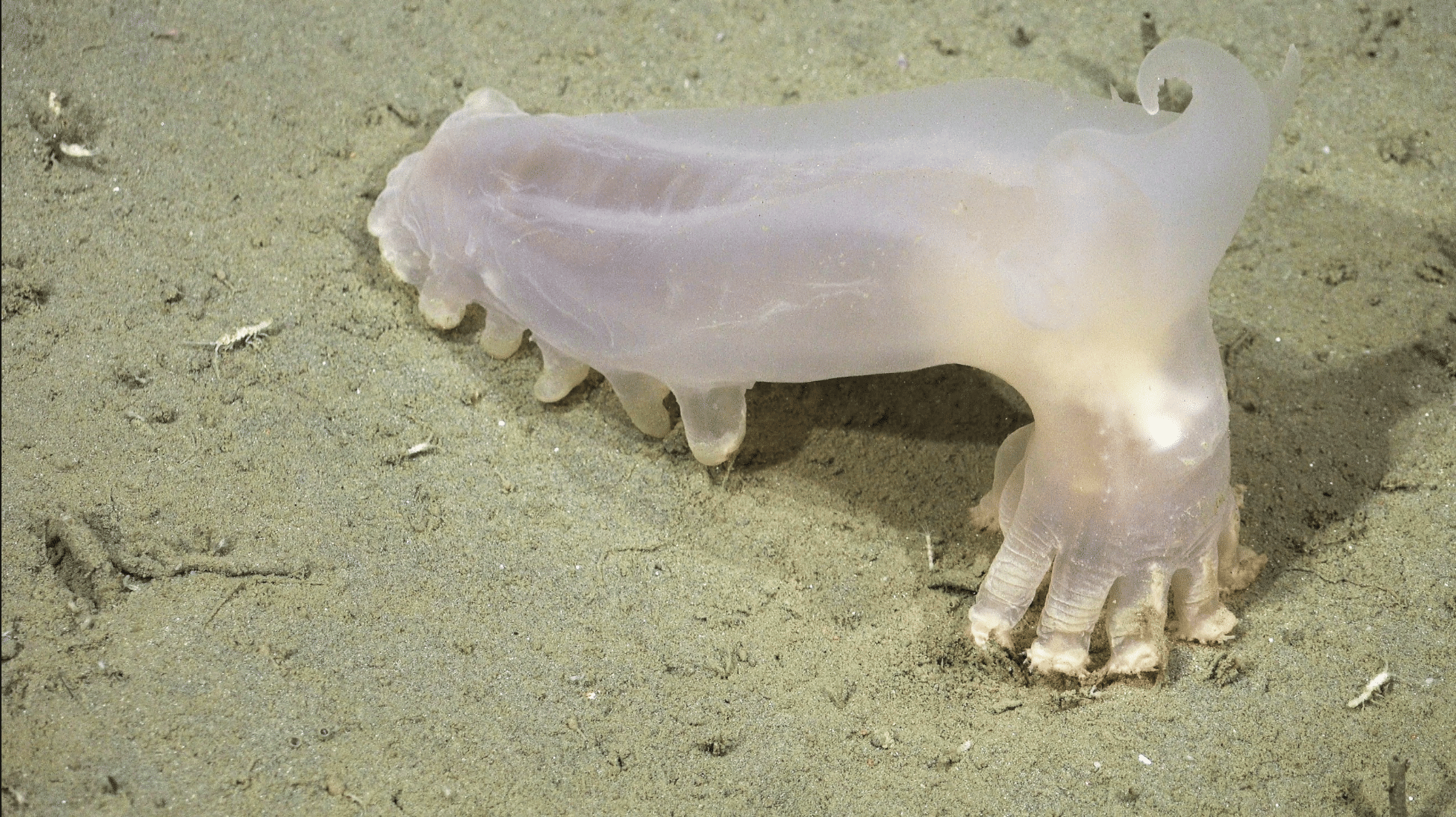
One standout is a sea cucumber nicknamed “Loki,” found about 2,577 meters down and named for its horn-like appendages. It’s one of as many as 10 new sea cucumber species from the canyon.
The tiny crustaceans called copepods were even more surprising. Scientists have only examined about 10% of those samples so far, and every specimen they checked turned out to be new.
Researchers also flagged new sea pens and an orange-red octocoral, which help build habitat for other deep-sea animals. Some of the corals may belong to a brand-new genus, or even a new family, pending genetic analysis.
How they found them
Most of the specimens were collected during a 2025 expedition aboard the research vessel Falkor (too), run by Schmidt Ocean Institute. A remotely operated vehicle called SuBastian gathered samples and streamed the dives live to more than 4 million viewers. Viewers fell hard for a pink sea star nicknamed “Patrick Star,” though scientists don’t think that one is a new species.
This summer, 20 taxonomists and early-career researchers from Latin America and Europe gathered at Universidad Maimónides in Buenos Aires to sort and describe the finds. The effort was led by the Nippon Foundation-Nekton Ocean Census and Schmidt Ocean Institute.
“The deep sea holds some of the least understood ecosystems on Earth,” said Dr. Michelle Taylor of Ocean Census.
The specimens will stay in Argentina’s national collections, and the team is already planning a trip to another canyon in early 2027. If this one is any guide, there’s plenty more down there waiting for a name.
Source: Schmidt Ocean Institute