6 Out Of 17 Penguins Agree, Antarctica Is The Place To Be!
Featured Image Credit: Antarctica Bound
By: Kira Krall
Of the 17 species of penguin, only six ever actually touch Antarctica. Here’s a countdown of the flightless (and probably cold) marine birds!

Image Credit: Lloyd Davis Photography
- Gentoo
The standout beaks of these penguins help them catch fish, squid, and krill. You’ll find them on islands that ring the content, as well as on the Antarctic Peninsula, which stretches out toward southern Chile.
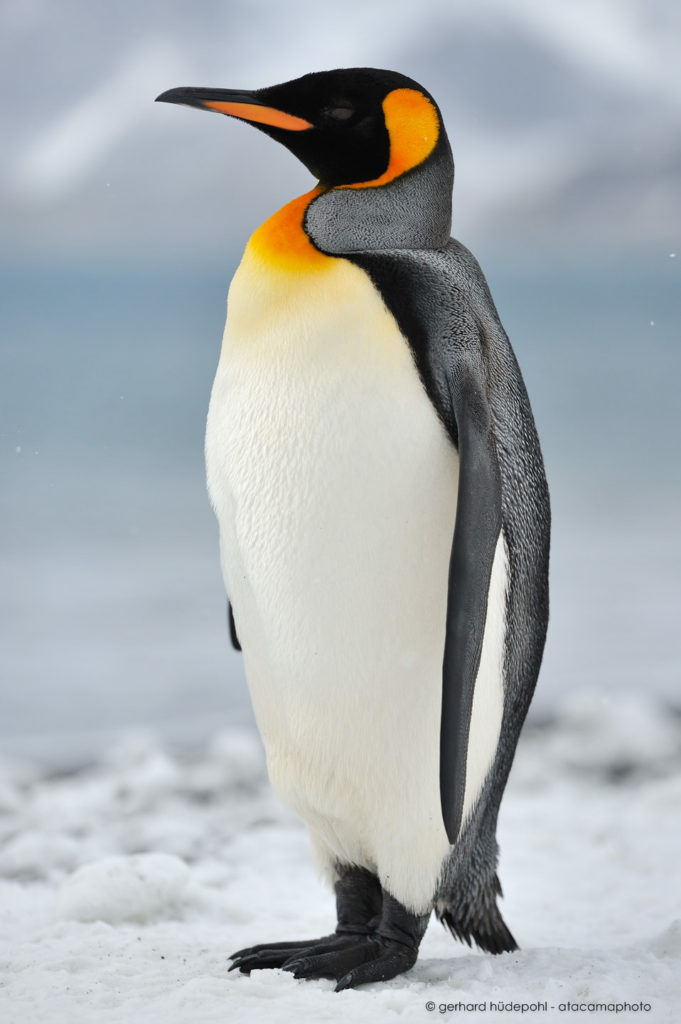
Image Credit:http://www.atacamaphoto.com
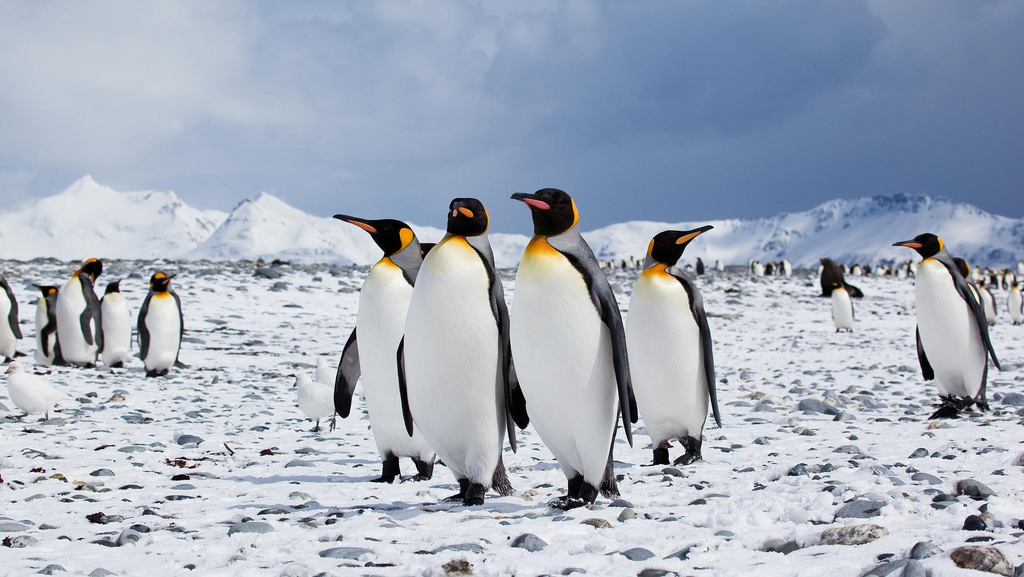
- King
The second largest penguin in the world contains two subspecies. One resides near Southern Chile and nearby sub-Antarctic islands and the other is found on islands near the Indian Ocean.

Image Credit: JCTravelography
- Macaroni
While the plumes look like pasta if you squint hard enough, these penguins were named for a totally different reason. Their crazy ‘do reminded English sailors of a “macaroni”, a nickname for a flamboyantly dressed man. These birds can be found breeding on the Antarctic continent, southern Chile, and sub-Antarctic islands. They spend their winters in more agreeable places like Australia, South Africa, and southern Brazil.

Image Credit: © Rebecca Bowater
- Chinstrap
There are more of these aptly-named penguins than any other species of penguin in the world. Chinstrap breeding grounds are often dotted with rings of stone that serve as nests. Males build these nesting circles to help protect their eggs from rolling down the steep Antarctic slopes. Chinstraps flee their summer breeding grounds to spend the winter at sea, avoiding the nasty winter temperatures and 200 mile-per-hour winds.
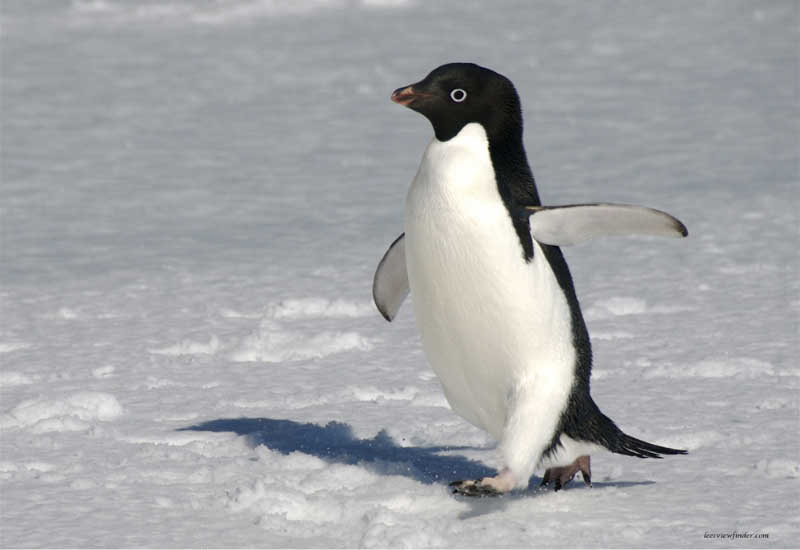
Image Credit: https://blog.rsb.org.uk
- Adélie
Adélies are true Antarctic penguins that reside on the continent for the entire year. They breed along the rocky Antarctic shores. These sure-flippered dynamos have been recorded diving to as deep as 575 feet on feeding trips. They feed on things like fish, crustaceans, and even jellyfish!
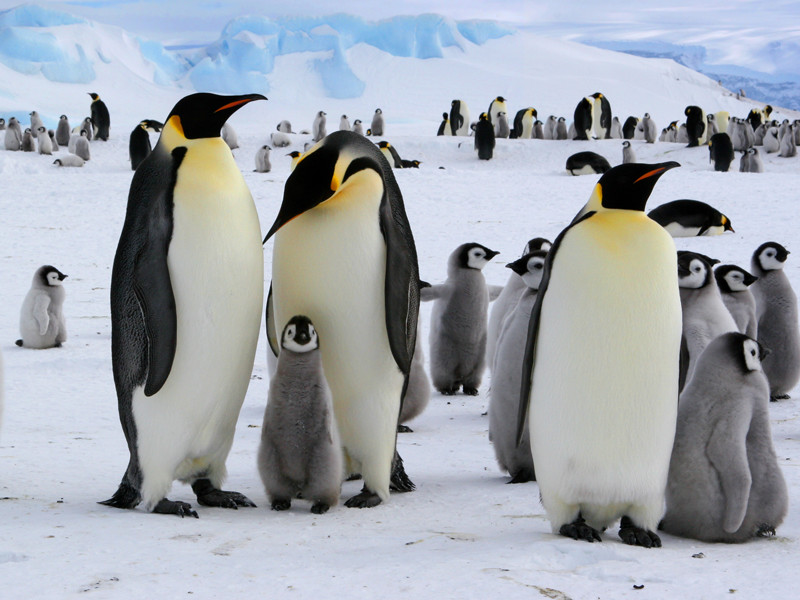
Image Credit: http://www.penguins-world.com
- Emperor
Our last species of Antarctic penguin is also a year-round resident, but they walk up to 75 miles into the interior of the continent to their breeding ground. Emperor penguins endure the Antarctic winter temperatures of -50°F rather than breeding in more favorable conditions like the other species do.
After breeding, Female penguins pass the egg they’ve created to the male for him to incubate in his pouch. The mother then makes the long trek back to the sea to feed and collect food for her new baby. Males spend over 100 days fasting in the subzero conditions until the female returns and takes over chick care. The long-distance tag-team parenting duo reunites for a final time once the father returns from his own feeding trip. Emperor penguin parents will nurture the chick until the baby’s insulating down layer grows in, a process that takes about 50 days. Watch the father penguins and their chicks manage the Antarctic winter below!