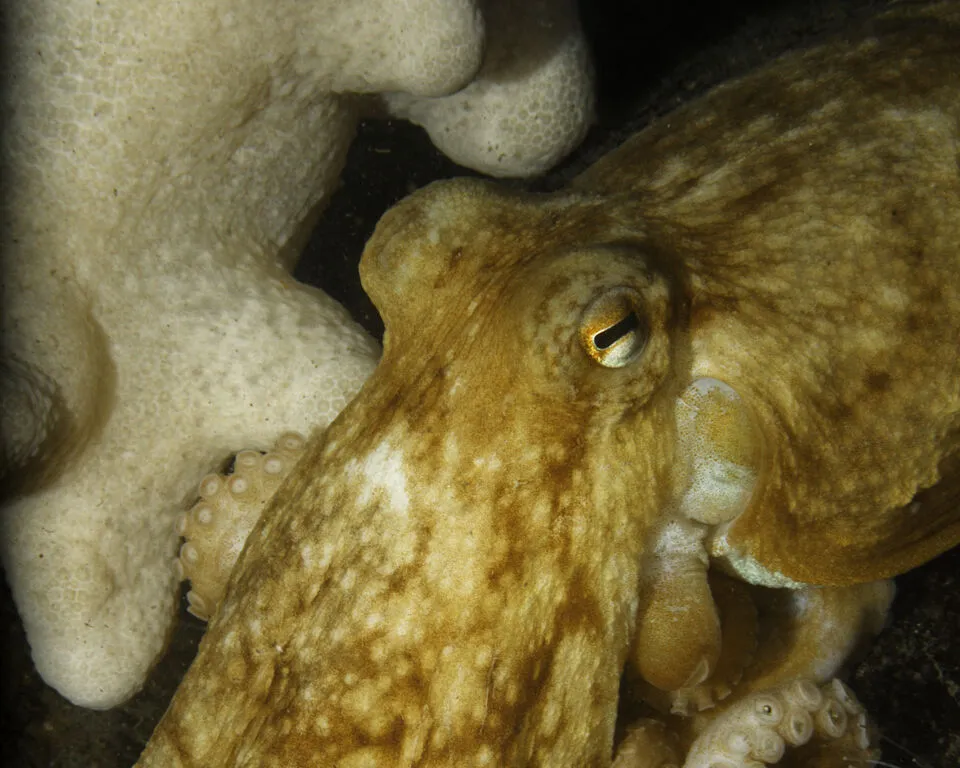
The UK Is Having Its Biggest Octopus Boom in 75 Years — And Scientists Finally Know Why
Did you know octopuses aren’t usually common in UK waters at all? They generally prefer the warmer seas of southern Europe and the Mediterranean. So when octopus sightings started exploding along England’s south coast, scientists knew something unusual was happening.
The numbers are genuinely striking. According to Seasearch volunteer data highlighted in The Wildlife Trusts’ Marine Yearly Review, some regions have seen recorded common octopus numbers jump by as much as 1,500% since a smaller “mini bloom” back in 2023. It’s only the fourth major octopus bloom recorded in UK waters in the past 125 years — after events in 1899-1900, 1932-33, and 1950-51 — and researchers say this one is the largest in at least 75 years.
So what’s driving it? A new report led by Dr. Bryce Stewart of the Marine Biological Association points to a combination of warming seas and shifting ocean currents. Marine heatwaves in UK waters have made conditions increasingly hospitable for a species that’s traditionally lived at the northern edge of its range. Researchers also found signs of unusually low salinity in coastal waters — a clue suggesting octopus larvae may be riding currents across the Channel from breeding grounds near northern France and the Channel Islands.
“Now we have warmer waters much more suited to these animals, we are seeing a huge increase in numbers,” Stewart said.
The bloom has spread fast. What started off southwest England has now expanded north to waters around Wales and Scotland, with scientists documenting octopus breeding and juveniles in UK waters for the first time in memory — a sign this surge could continue for a while yet.
Why it’s worth paying attention to: Octopuses are famously intelligent, adaptable predators, and a boom this size genuinely reshapes the local food web — everything from crabs and lobsters to the seals, conger eels, and rare Risso’s dolphins that now have a new food source to take advantage of. It’s also turned into a real citizen-science success story, with hundreds of divers and snorkelers pitching in to help researchers track the spread.
“It is a shake-up of the whole ecosystem,” Stewart said — and scientists are watching closely to see exactly where it leads next.
Sources : wildlifetrusts.org