
“Vampire Fish” Are Returning to the UK’s Rivers
Featured Image Credit: NOAA
By: Alice Morris
A bloodsucking, serpentine “vampire fish” is making a comeback in rivers across the UK and it’s causing a bit of a stir.
These parasitic fish are called lampreys and they are the world’s oldest living vertebrates, evolving almost 200 million years before the first dinosaurs. They measure between three and four feet when fully grown and feed by sucking the blood of their hosts using funnel-like mouths and sharp, anchoring teeth.
The prehistoric fish once thrived throughout England, but during the Industrial Revolution lampreys disappeared from rivers as mill weirs began blocking their migration paths. However, thanks to recent efforts to remove barriers and clean up over 12,500 miles of the UK’s rivers, lampreys are reaching record numbers.
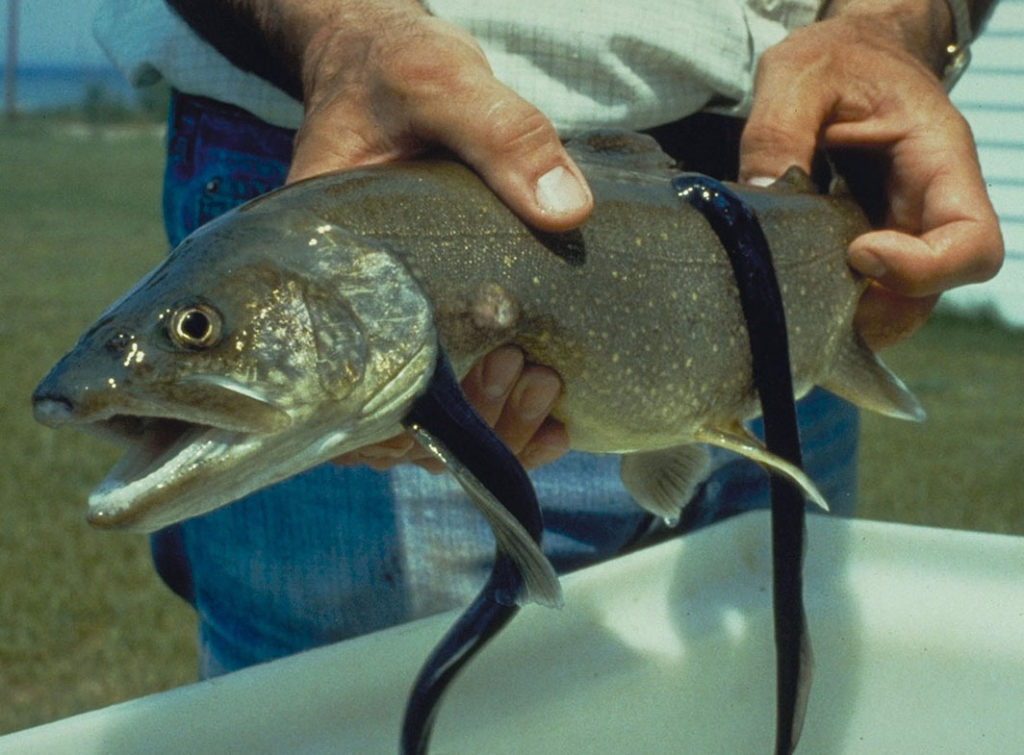
Not everyone is so happy about this “living fossil’s” rebound though. Lampreys have a complicated relationship with humans. They have long been considered a luxury food amongst the royal and the rich, with the Romans, Vikings, and many English monarchs known to dine on lamprey meat. According to legend, King Henry I of England was so fond of lamprey pie that he died after eating excessive amounts of the dish.
And yet more often than not, lampreys are depicted as man’s predator rather than his prey. Vedius Pollio, a Roman equestrian and friend of Emperor Augustus, notoriously kept a pool of lampreys for the express purpose of discarding slaves he no longer had any use for.
Fast forward a couple millennia and lampreys have become the subject of such cinematic masterpieces such as Blood Lake: Attack of the Killer Lampreys, which depicts the jawless fish attacking and devouring innocent residents of a small Michigan town.
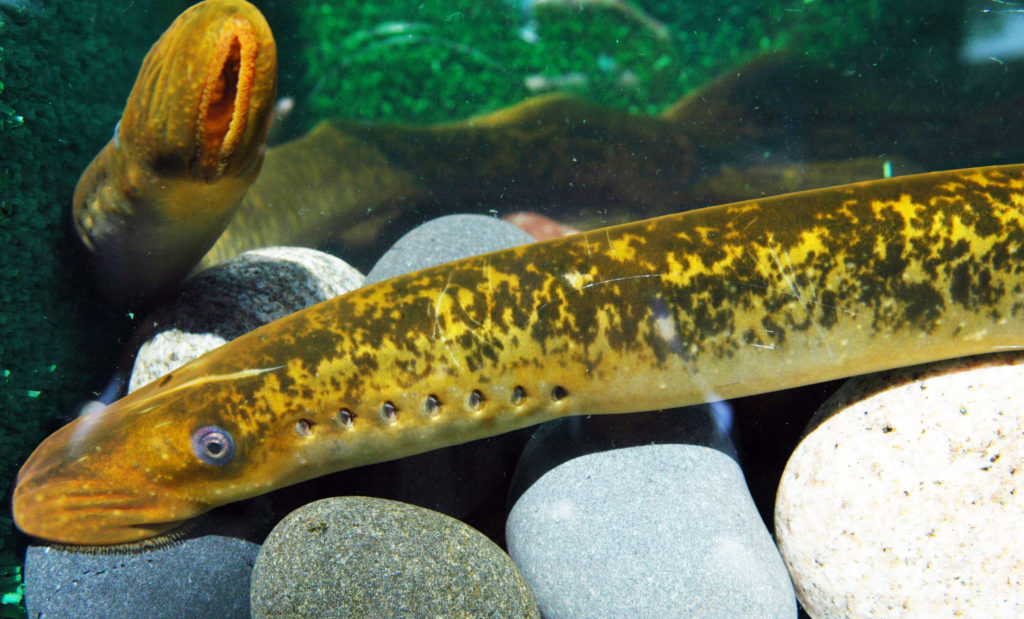
So with lamprey numbers rising in rivers across England, how much of its vicious reputation should we believe and how much can we chalk up to pure campfire storytelling?
While it is true that lampreys will latch onto humans from time to time, their primary food source is other fish. A lamprey may suction onto a person simply to catch a ride from place to place, but even in these rare situations, removing the hitchhiker is as simple as lifting it out of the water for a moment before the lack of oxygen forces it to drop back into the water.
Of course, this hasn’t stopped many media outlets from painting lampreys as aggressive, relentless, man-eaters.
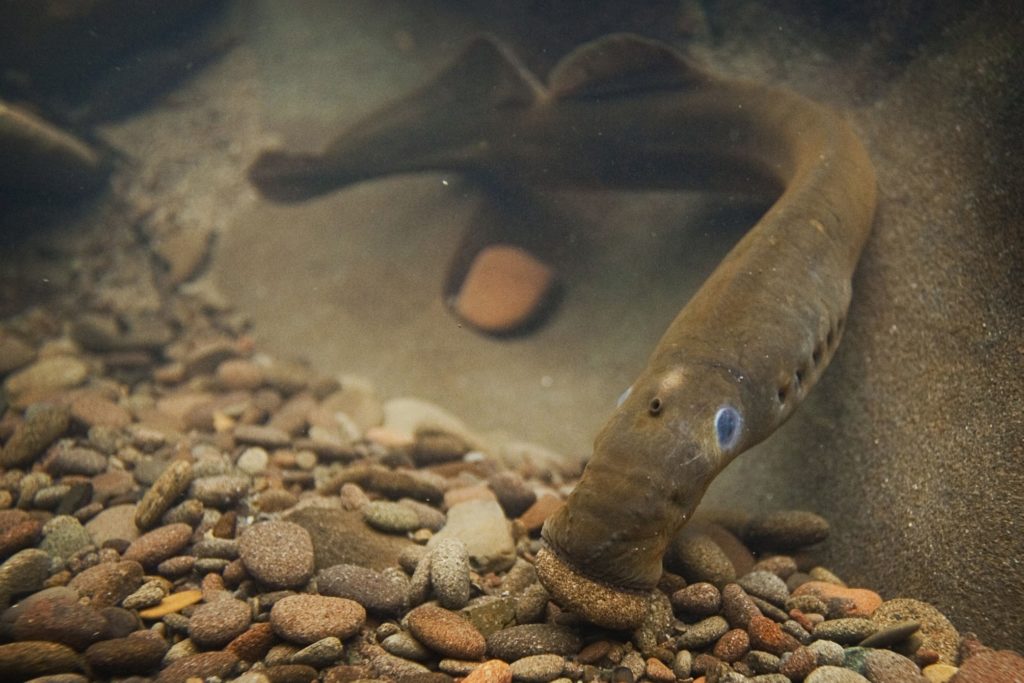
In reality, the recovery of these endangered fish represents a landmark environmental success following a decade of efforts to improve river water quality across the UK. Furthermore, the lampreys serve as important nutrient processors in river systems and food sources for birds and other fishes.
With that in mind, hopefully you can take your next dip in the river feeling no bad blood for this ancient fish.
To read more about the return of the sea lamprey, visit:




