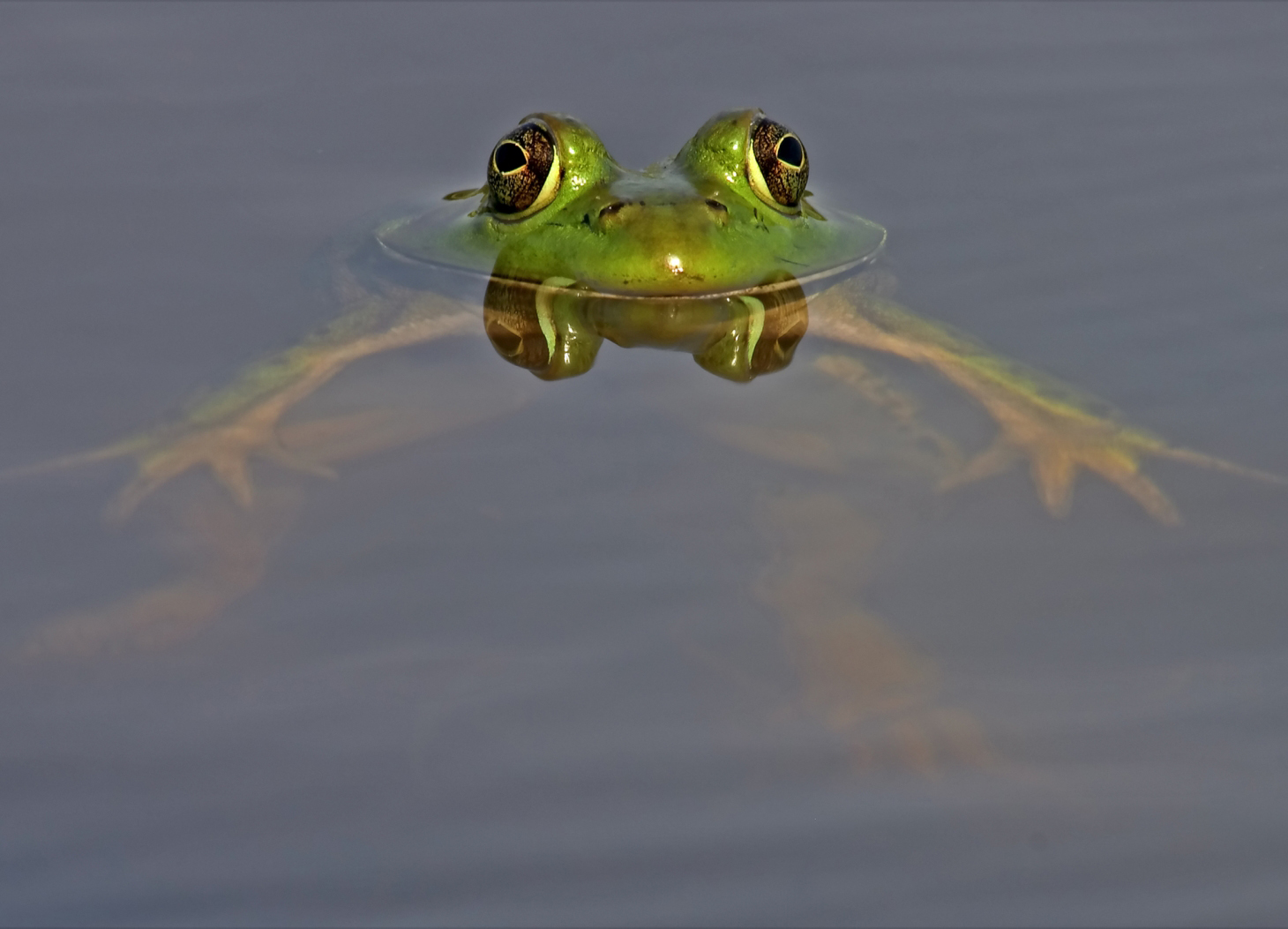
What Makes an Amphibian an Amphibian?
Featured Image Credit: www.sciencewithkids.com
By: Nazifa Islam
Amphibians are the largest taxonomic group –with over 6,000 species worldwide! But what exactly are they…? Are all of them the same?
Here’s some of their key characteristics that may surprise you!
1) Every amphibian life starts within a clear, jellylike egg.
Most eggs hatch into aquatic, legless, gilled larvae, which eventually metamorphosis into four-legged, air-breathing adults. Interestingly, some frogs and toads hatch as mini adults. There are even some salamanders that never advance beyond the gilled larval stage.

2) Amphibians are incredibly varied.
They come in all shapes, sizes, and colors. And, they live on every continent except Antarctica.

3) All amphibians are vertebrates (each one has a backbone).

4) Most have four legs. The exceptions are the sirens, the amphiumas, and the caecilians.

5) Amphibians’ skin is moist, porous, and unscaled.
This is because amphibians absorb oxygen through their skin- either from the air or the oxygen dissolved in water. Lucky them – they don’t need to drink water since they can absorb it. ( No wonder their skin is radiant!).

6. Amphibians are cold-blooded.
Amphibians control their temperature by moving into warmer or cooler spots. Amphibians in cooler areas hibernate underwater or in burrows.

If you’re lucky enough to live near a pond where frogs peep, chirrup, or trill a deafening chorus, you may not realize that amphibian numbers are plummeting around the world. 41% of the 6,000 amphibian species have been labeled as in danger of extinction by the International Union for Conservation of Species (IUCN).
Already, 165 amphibian species are believed to be extinct according to Shedd Aquarium. Unfortunately, scientists estimate that it’s too late to keep another 500 species from disappearing. If you’re interested in seeing what you can do to help, click here.
Want more information? Check out our sources, here and here.