Nearly 500 Smuggled Sea Creatures Were Seized in California. Then an Aquarium Had to Figure Out How to Save Them
Imagine getting a phone call asking if you have room for a few rescued fish.
Then imagine finding out “a few” actually means nearly 500 live animals.
That’s essentially what happened to the Aquarium of the Pacific after wildlife officials intercepted two major shipments of illegally trafficked marine life in Southern California.
Suddenly, hundreds of animals needed somewhere safe to go.
Fast.
It Started With Two Wildlife Busts
The animals were confiscated during two separate wildlife trafficking investigations involving federal authorities.
The shipments contained an enormous mix of marine life, including tropical fish, sharks, rays and invertebrates.
Many had traveled long distances packed inside shipping containers and bags.
Once authorities seized them, however, another problem immediately appeared.
You can’t exactly put hundreds of living fish into an evidence locker.
They needed tanks.
They needed proper water temperatures.
They needed food.
And they needed people who knew how to keep them alive.
That’s when the Aquarium of the Pacific stepped in.
This Wasn’t a Normal Animal Intake
Aquariums are built to care for marine life, but that doesn’t mean they have 500 empty spaces sitting around waiting for an emergency.
The aquarium’s animal care team had to move quickly.
Animals had to be identified and separated based on their individual needs. Water chemistry and temperatures had to be adjusted. Some species needed specialized diets. Others couldn’t safely share the same tanks.
Then there was quarantine.
Because the animals came from unknown conditions, introducing them immediately to an aquarium’s existing population could potentially expose other animals to parasites or disease.
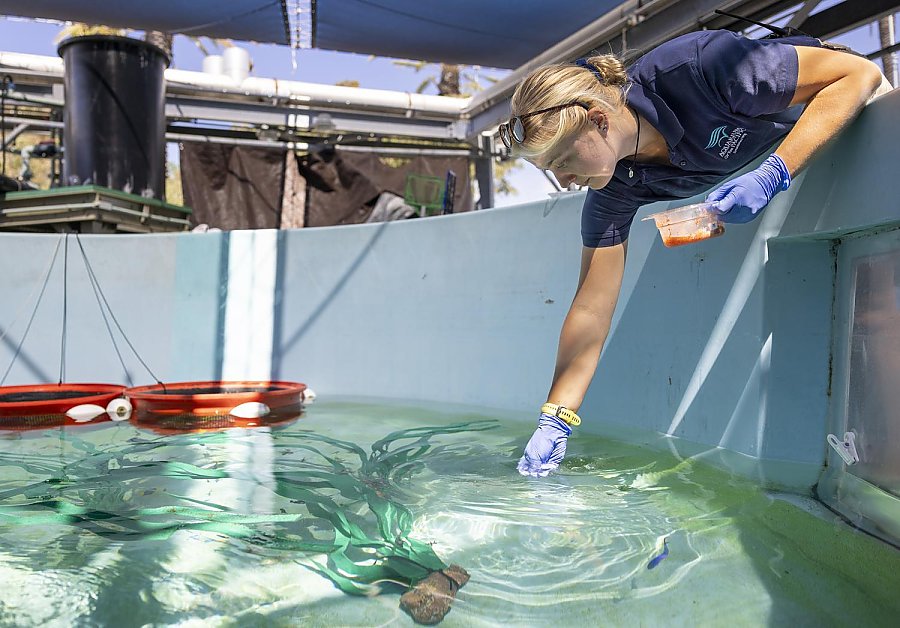
So staff transformed behind-the-scenes spaces into temporary homes.
According to the Aquarium of the Pacific, the confiscated animals included marine fish, invertebrates and sharks, with nearly 500 animals taken in altogether.
Wildlife Trafficking Isn’t Just an Elephant and Tiger Problem
When people hear “wildlife trafficking,” they often picture ivory, exotic birds or endangered animals being transported across land.
A huge illegal trade exists beneath the surface too.
Rare tropical fish, corals, sharks and other marine animals can fetch serious money in the international wildlife trade.
And once an illegally transported animal is discovered, simply confiscating it doesn’t solve the problem.
It’s still alive.
Someone has to care for it.
That’s why aquariums, zoos, wildlife hospitals and rescue organizations often become an overlooked part of wildlife law enforcement.
Officials stop the shipment.
Animal care professionals handle what comes next.
What Happens to 500 Animals Now?
That’s the difficult part.
Depending on the species, health and legal circumstances surrounding each animal, their futures may look completely different.
Some may eventually be transferred to other accredited facilities.
Others could remain under professional care.
What matters immediately is keeping them healthy while authorities determine what comes next.
And considering how suddenly they arrived, that’s no small task.
Hundreds of animals that began the day as evidence in a wildlife trafficking investigation ended it with veterinarians and professional aquarists figuring out how to give each one a second chance.
Why It Matters
Wildlife trafficking stories usually focus on the moment somebody gets caught.
But for a living animal, that’s not where the story ends.
It’s where another one begins.
Someone has to open the bag.
Someone has to check whether the animal survived the journey.
Someone has to build the right environment, find the right food and keep showing up tomorrow.
Nearly 500 animals were removed from the illegal wildlife trade.
Now hundreds of individual lives have to be cared for.
Stopping trafficking takes law enforcement.
Saving what they find takes something else entirely.
Sources: Aquarium of the Pacific