Saving the Jersey Shore Turtle
Featured Image Credit: Ben Wurst
By: Natasha Lehr
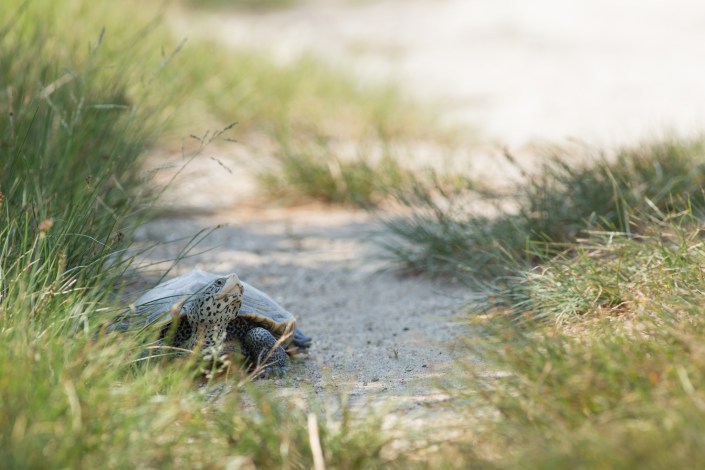
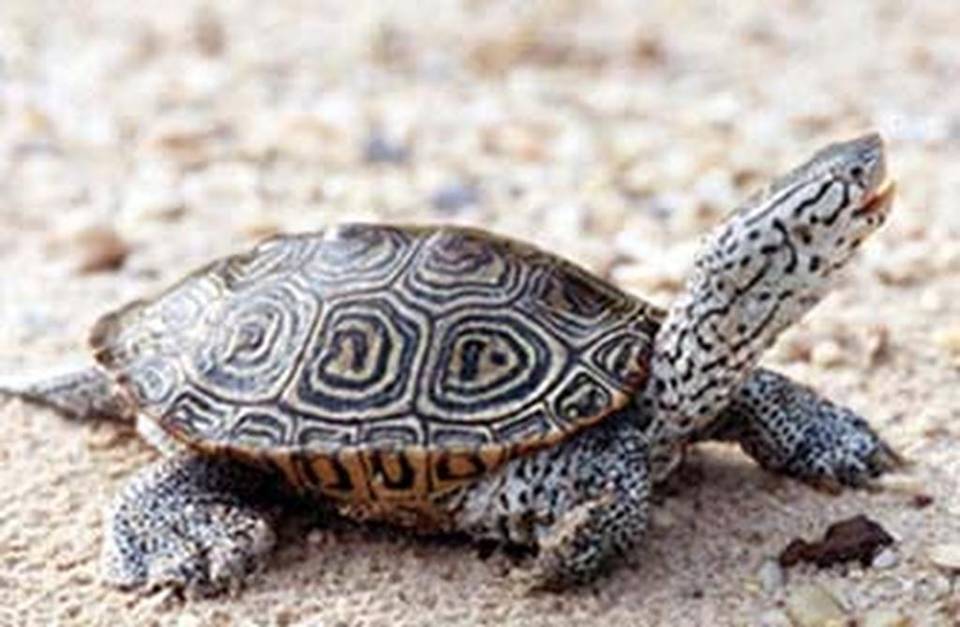
The diamondback terrapin (Malaclemys terrapin) is a turtle species native to the eastern and southern United States. They inhabit salt marshes and estuaries, and are believed to be the only turtle to live exclusively in brackish water (a mix of sea water and freshwater).
Like many species, the diamondback terrapin faces pressures from anthropogenic activities. The sandy beaches where the turtles lay eggs are increasingly enticing to humans looking to enjoy a beach day at the Jersey Shore. This habitat loss has decreased local turtle populations and has the potential to significantly impact overall species numbers of the diamondback terrapin.
The species also faces an ongoing threat from collection and commercial harvest. The diamondback terrapin is a popular pet species. Historically they were harvested for export to European and Asian countries for the soup trade. Until recently this collection and harvesting of the diamondback terrapin has been legal in most states. Due to dwindling population numbers and the threat of extinction, individual states have imposed bans and control measures to ensure the preservation of the diamondback terrapin.
Recently, New Jersey proposed a state ban on commercial harvesting of the species. The New Jersey’s Department of Environmental Protection put a pause on commercial harvest of the diamondback terrapin earlier this year. In March, the Senate Environmental and Energy Committee voted in favor of a bill that would designate the species as a non-game animal. This means that the hunting or catching of these turtles would be illegal.
In April, the New Jersey Assembly also passed the bill, furthering it to the state Senate. Approval of the bill is expected in the Senate, and all the bill will need to become law is a signature from the governor.
With this, the future of the diamondback terrapin may be as sunny as the beautiful Jersey Shore. Here’s hoping.
Read more from our sources: Philly.com and Defenders.org