4 Global Organizations That Rely On SeaWorld
Since airing on CNN last year, Blackfish represents the “cause du jour” by out-of-touch animal activists.
They have been motivated to either digitally or physically protest SeaWorld parks and other accredited zoological facilities.
Activists have been shouting and demanding that SeaWorld simply “shut down” and “empty the tanks.” But despite their best efforts, SeaWorld’s parks are thriving like the animals in it’s care.
SeaWorld recently announced the recipients for the 2014 SeaWorld-Busch Gardens Conservation Fund grants. The SeaWorld-Busch Gardens conservation fund was established in 2003 with the goal to support wildlife research, habitat protection, animal rescue and conservation education in the U.S. and countries around the world.
Here are some examples of these projects and global impacts each guest brings about when they visit a SeaWorld park:
Crisis Grant
Tacugama Chimpanzee Sanctuary
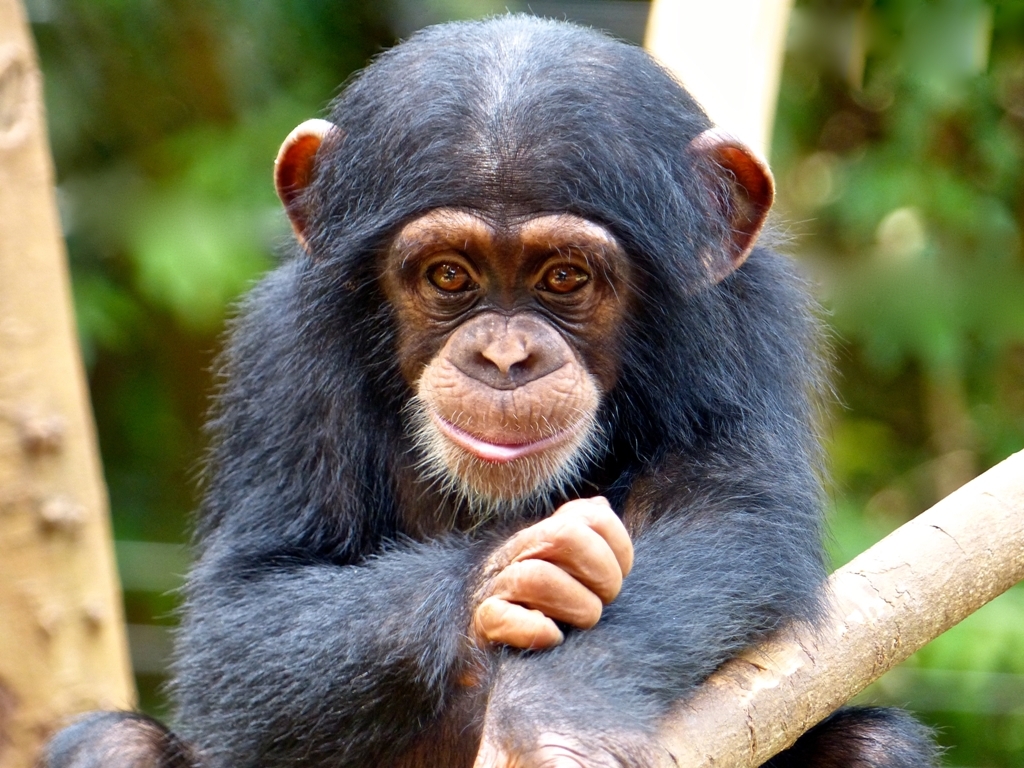
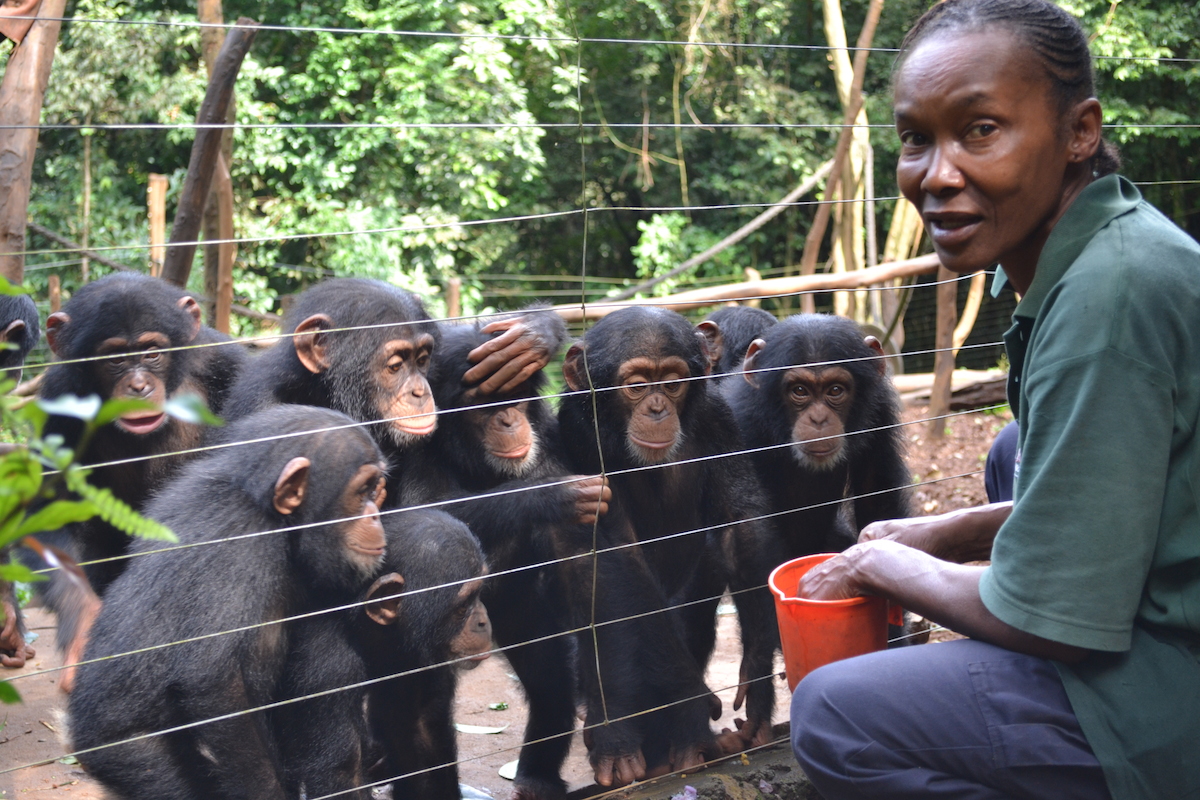
The Tacugama Chimpanzee Sanctuary is located in Sierra Leon, West Africa, which is currently the center of the Ebola epidemic. The Ebola epidemic created a sharp decrease in tourism in the area, which is having disastrous effects on the Tacugama Chimpanzee Sanctuary which funds itself through tourism revenue. Since 1995, the Tacugama Chimpanzee Sanctuary has been open with the goal of rescuing and rehabilitating Chimpanzees to release them back into their natural habitat.
The SeaWorld-Busch Garden Conservation Fund approved the funding to offset the revenue shortfall and help maintain the standards of care the Chimpanzees have been receiving.
Standard Grants
Painted Dog Conservation
In Africa, the Painted Dogs (aka Wild African Dogs) are facing a crisis of dwindling numbers caused by habitat loss and poaching. The Painted Dog Conservation Fund employs highly trained units that patrol a 10,500 acre area.
Managing Director of the Panted Dog Conservation Fund, Peter Biliston said, “The support from SeaWorld and Busch Gardens remains pivotal to the success of Painted Dog Conservation. The fact that they have supported our anti-poaching units for many years shows that they really understand the complexity of wildlife conservation. They understand that permanent change does not happen overnight and it takes long-term committed support to make a difference.”
SANCCOB
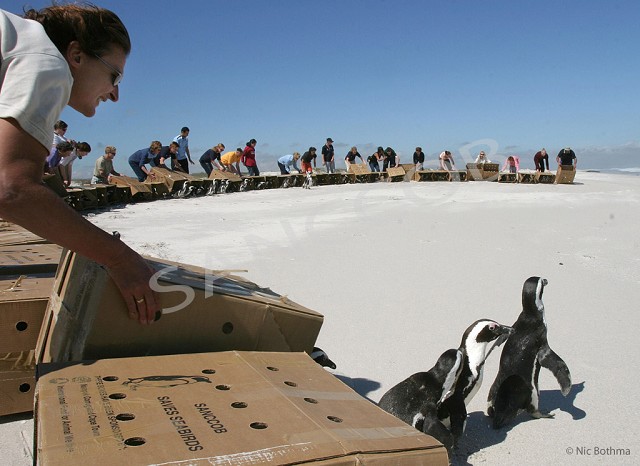
The southern tip of Africa is home to endangered penguin species. Their population is rapidly declining with breeding pairs down to 2,000 of the original 1,000,000 pairs first counted in 1930. In South Africa, a group called SANCCOB works diligently to rehabilitate and release adult penguins and raise abandoned chicks to increase the wild populations. Since SANCCOB was founded, they have helped increase the African penguin population by 19 percent.
SeaWorld not only financially supports SANCCOB, but they also send Aviculturists from their parks in Orlando, San Diego and San Antonio to assist with penguin rehabilitation.
Ecology Project International (EPI)
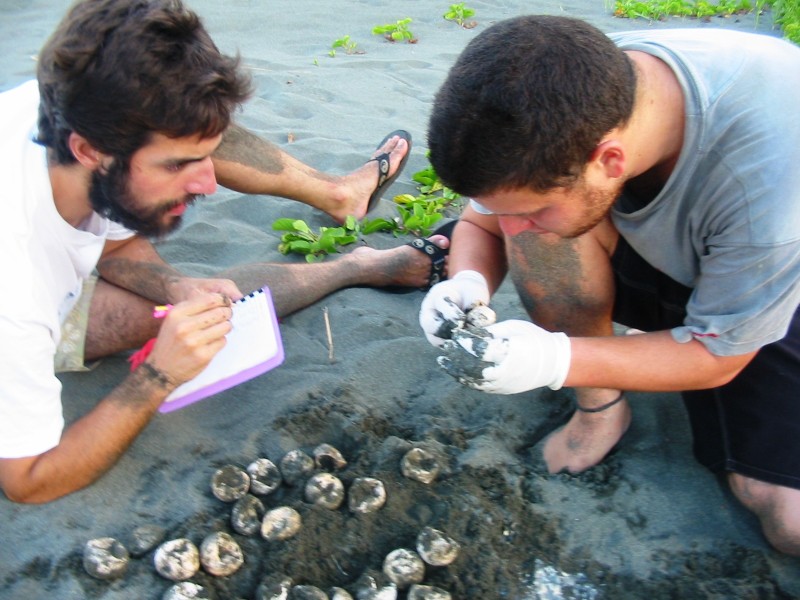
Right now, in Costa Rica, over 80 percent of Leatherback Sea Turtle nests are lost from illegal harvesting and other threats. EPI is working to reduce the nests that are illegally harvested and they are striving to improve nesting habitats.
EPI has been patterning with Costa Rican schools, teachers and students to help improve their ecological awareness, and help them better understand their roles to helping the Leatherback Sea Turtle survive long-term on the Coast Rican coastline.
This is just a small sampling of the conservation projects that SeaWorld is funding on every continent across the globe and reminds us that it isn’t the person holding the angry sign that is working to save our planet and our oceans.